


Something interesting happened in the Premier League last season: almost none of the top 30 scorers were wingers.
Mohamed Salah, one of the most prolific wide forwards of his generation, managed just seven league goals.
Jeremy Doku, widely praised for his performances only scored five Premier League goals.
Arsenal’s star attacker Bukayo Saka only notched seven, and Leandro Trossard, who we all love and all think had a great season, finished on six before his Besiktas move.
Noni Madueke and Gabriel Martinelli were nowhere near, scoring three and one, respectively.
Should Arsenal use Gabriel Martinelli in a deeper role next season like Carlo Ancelotti did?
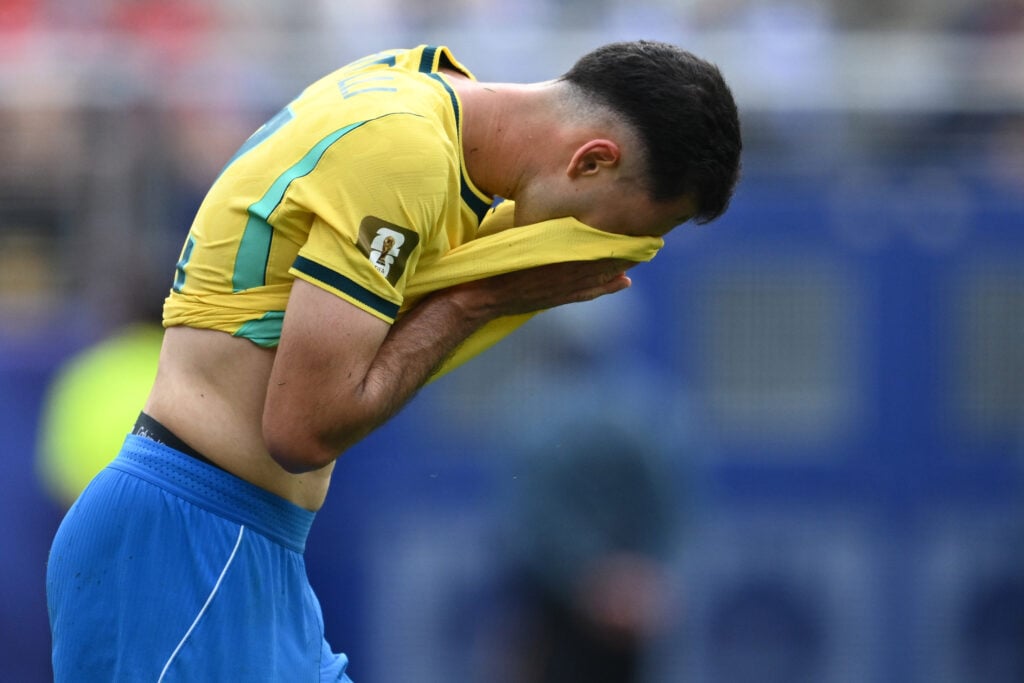
You could argue that these are just players having off years, but it appears to have been a league-wide pattern.
Kiernan Dewsbury-Hall, Casemiro and Bruno Guimaraes all scored more than these players.
And when scouring through the top 30-40 goalscorers, there is a bizarrely low number of wide players in there.
The one exception in the top ten was Antoine Semenyo, who scored a remarkable 17 goals for Manchester City.
But even then, Pep Guardiola regularly rotated him through central zones rather than keeping him pinned to the touchline.
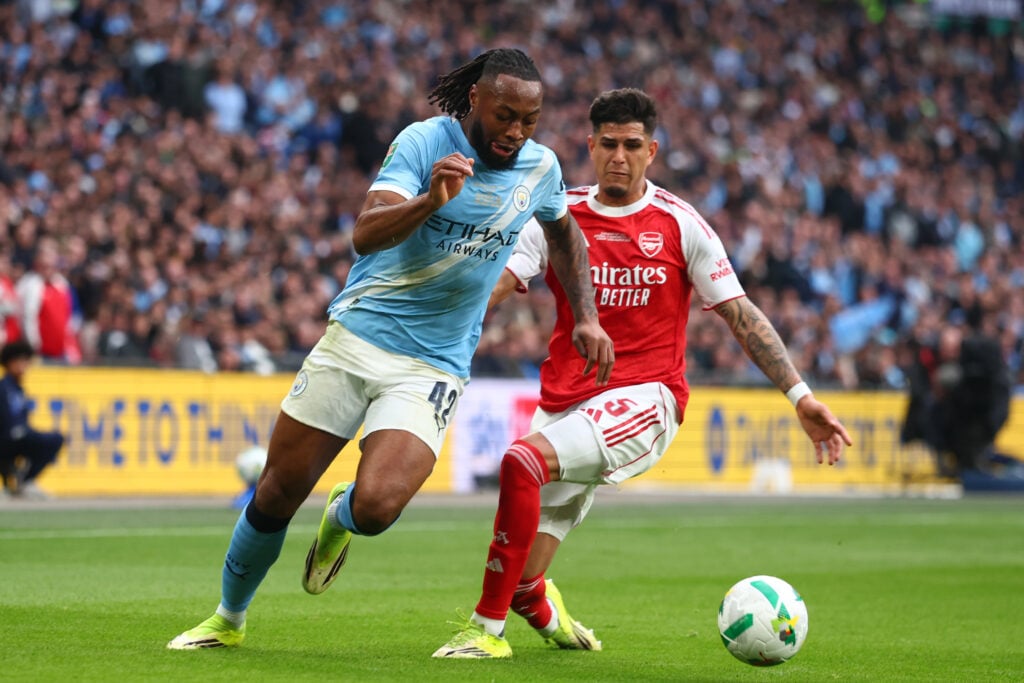
Modern full-backs, or at least their coaches, have figured out how to isolate traditional wide forwards.
The days of a touchline winger racking up 15-plus league goals a season look, for now, largely over.
How Morgan Rogers can add goals to this Arsenal team
Arsenal’s open play problem last season was well documented. They scored 40 goals from open play compared to Manchester City’s 60.
Their wide forwards, when fit, were good enough, but the actual goal returns from wide areas were modest at best.
Instead, as we all know, Arsenal were heavily reliant on scoring from set-pieces.
To help fix their ailments in front of goal, Mikel Arteta wants to sign Morgan Rogers.
🤔 PICK ONE: Would you rather Arsenal signed Bradley Barcola or Morgan Rogers this summer?

Some have questioned how, or why, exactly, Rogers fits in, given that he’s not really a traditional winger.
But what he is, is an elite final-third threat who drifts inside, attacks space between the lines, and arrives in the box looking to score rather than staying wide to deliver crosses.
That profile fits exactly what Arteta wants to add, and it makes sense when you consider the broader Premier League trend, where the most dangerous attackers now are the ones comfortable operating centrally, not just wide.
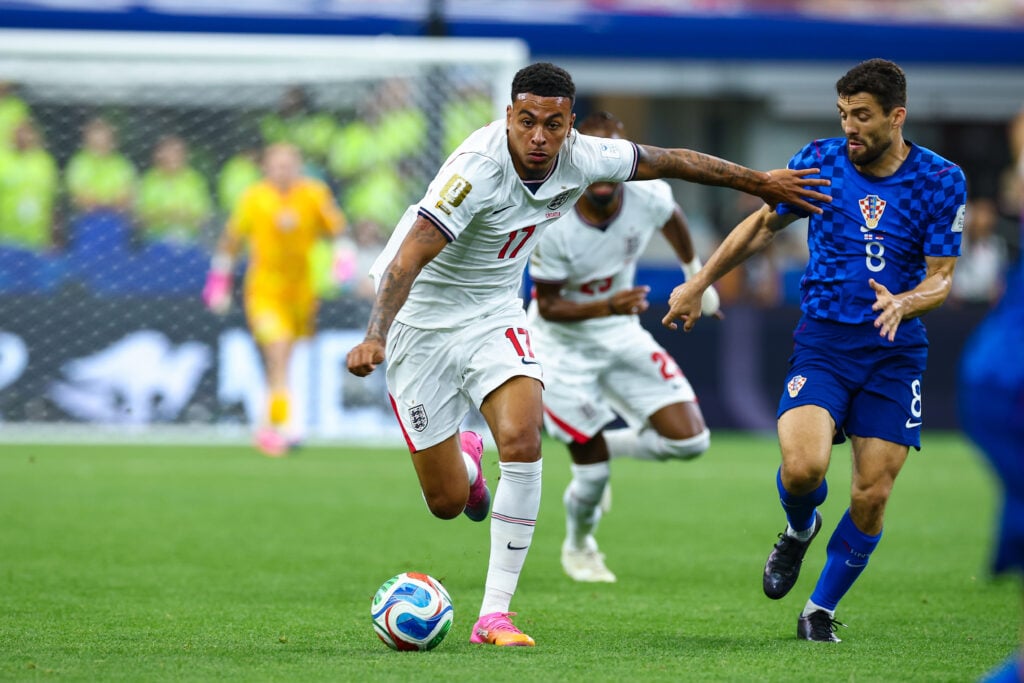
Semenyo’s season at City is essentially the blueprint: crashing the box, arriving late, working through central zones instead of hugging the touchline.
Arsenal appear to be signing a player capable of a similar impact, which could change how they generate open-play chances in a league which has become less reliant on conventional wide forwards.
Receive a digest of our best Arsenal content each week direct to your mailbox