

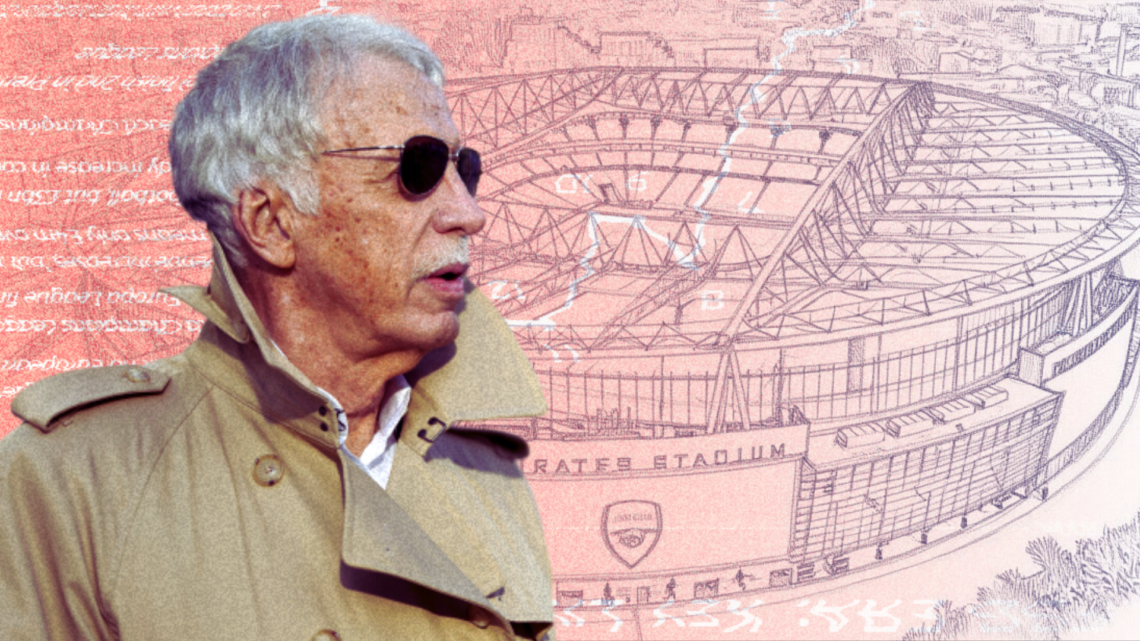


Arsenal’s plans to expand the Emirates Stadium will include an immersive reality venue built by Stan Kroenke-funded Cosm, predicts football finance expert Kieran Maguire.
The Gunners had English football’s second-highest matchday income last term and, with Manchester United having just 21 home matches this season, the North Londoners will take top spot in 2025-26.
The £153m Arsenal earned from this revenue stream is up by about 70 per cent compared to their first season at the Emirates Stadium. However, the Premier League’s financial vista has changed dramatically since the club first broke ground on the new site in N7.
When Arsenal moved away from Highbury, it was with the vision of becoming a self-sufficient football superpower. But an influx of oligarch money, sovereign wealth and private equity, as well as the insatiable demands of supporters for increased transfer and wage spending, has led to an inflationary spiral in the Premier League and beyond.
What capacity should Arsenal expand the Emirates Stadium to?
70k is on the cards, but should we be aiming BIGGER?

Since Kroenke took 100 per cent control of the club in 2018 by buying out Alisher Usmanov, the Missouri-born billionaire has underwritten year after year of financial losses.
Only now, with £340m lent to Arsenal in recent seasons and the club competing for the Premier League and Champions League, are they steadily returning to a more sustainable financial model.
They see expanding the Emirates, ideally to a capacity of at least 70,000, as central to that aim.
The club has viewed proposals from architects and construction firms. Dan Meis, who designed Everton’s Hill Dickinson Stadium, previously told Arsenal Insider he would love to talk to the club about their plans.
Across the Kroenkes’ empire, owning sports teams has always included significant investment in land and infrastructure. The SoFi Stadium and Ball Arena, home to Kroenke-owned NFL franchise LA Rams and the NBA’s Denver Nuggets respectively, both sit at the centre of massive mixed-use complexes.
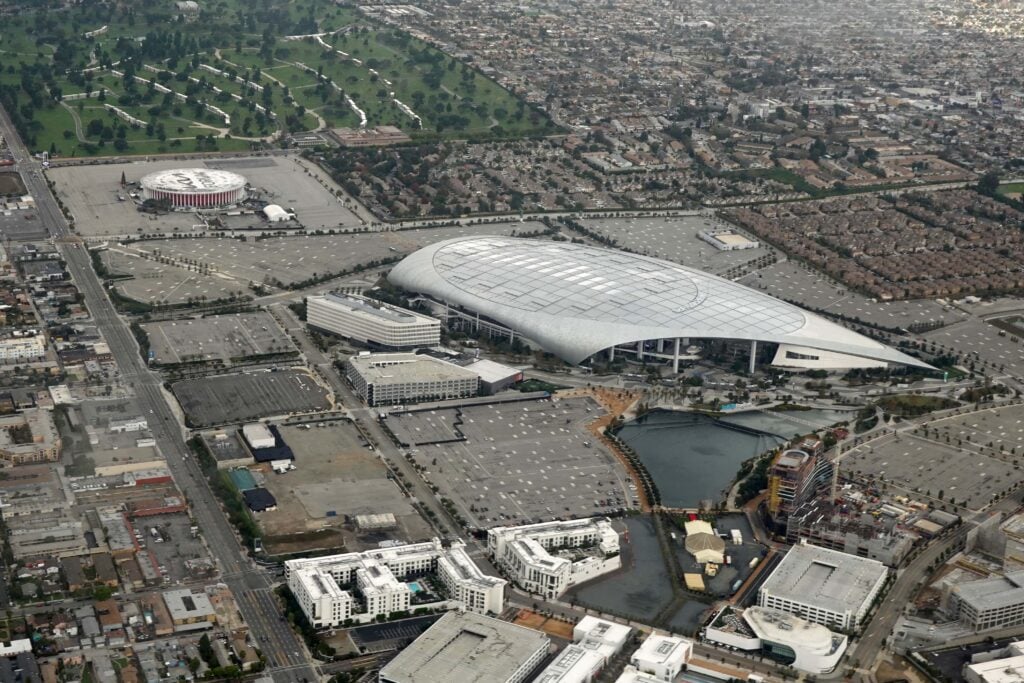
To date, the Emirates Stadium is the only venue in the portfolio of America’s richest land owner on which Kroenke has been unable to put his stamp. Although it is likely still several years away, the expansion project could change that.
At the SoFi Stadium’s complex, Kroenke brought in Cosm to build one of their shared reality screening centres, where fans get together remotely to watch events as though they were in the stadium itself.
The dome-like, large-screen experience has gone viral several times. Several Arsenal matches have been screened at Cosm and the company was valued at around £750m in their last funding round.
Last week, Cosm opened their third venue at Atlanta’s Centennial Yards. After securing capital from Kroenke and a cohort of other sports investors last year, Europe is up next.
“It’s all about the experience,” says University of Liverpool football finance lecturer Maguire, speaking exclusively to Arsenal Insider about the prospect of the first Cosm centre on this side of the Atlantic being built at a revamped Emirates Stadium.
“The problem with having control of a global brand like Arsenal is that you have potentially hundreds of millions of fans but a stadium that accommodates just over 60,000. So you can’t get the fans to the stadium, but can you get the stadium to the fans? With this kind of device, yes, you can.
“I’ve spoken to investment bankers who want to get this product at places like Arsenal. They want it to be like the ABBA Voyage experience in London – you go along and watch avatars play football being beamed from a stadium in another continent. It’s an immersive, three-dimensional, communal experience.
“You want that shared experience. That’s why we go to the football. Using immersive technologies to accommodate that is just the logical next step. So I absolutely think we’re likely to see something like this at the Emirates Stadium once the expansion gets the go-ahead.”
Receive a digest of our best Arsenal content each week direct to your mailbox


