


Arsenal need to better monetise their academy, says football finance expert Kieran Maguire after analysing the Gunners’ latest financial accounts.
Arsenal’s finances for 2024-25 showed club-record revenues of £690m. While the losses for the season were only modest at £1.4m, the accounts mean that the club has not posted a profit since Stan Kroenke acquired 100 per cent of the club in 2018. Since that date, the owner has injected about £340m.
Mikel Arteta and Andrea Berta convinced Kroenke to go big again in the transfer market this season, with Arsenal spending just shy of £250m net to bring Martin Zubimendi, Eberechi Eze, Viktor Gyokeres and Noni Madueke among others to the Emirates.
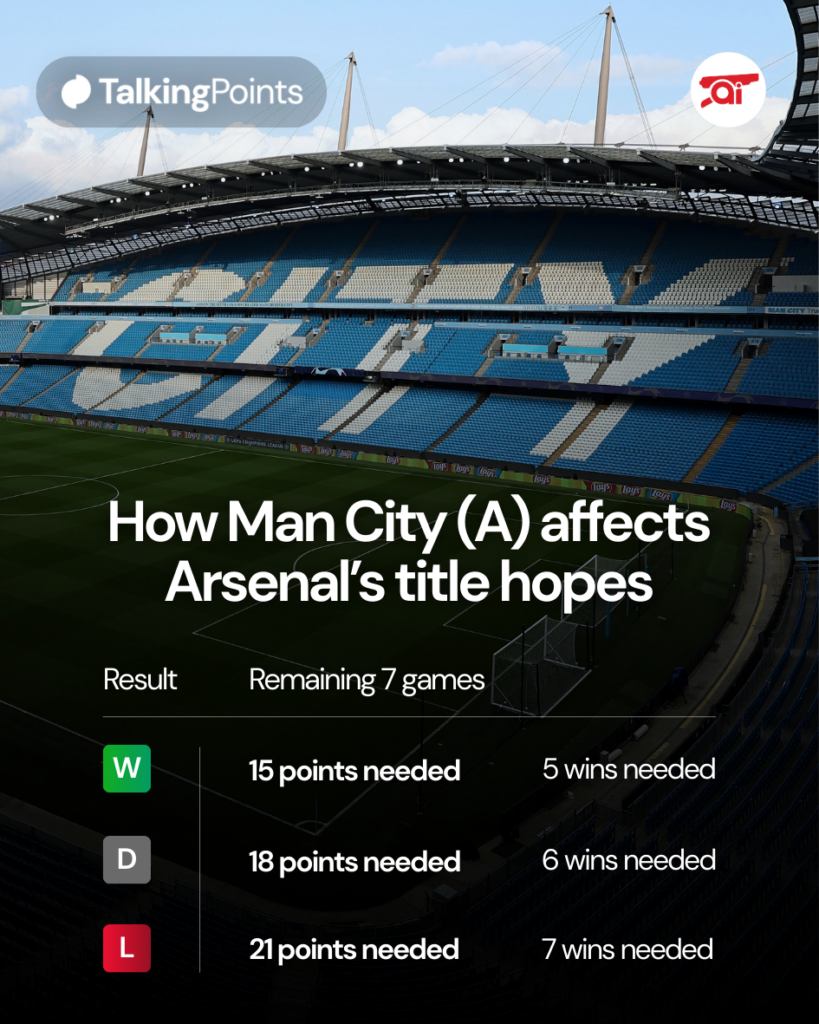
After last night’s hard-fought victory over Brighton, Arsenal are seven points clear of Manchester City atop the Premier League – and the recruitment is paying dividends.
This is what Arsenal need IF Man City win their fixtures around the Etihad clash – How confident do you feel now?
Meanwhile, only Nuno Tavares, Marquinhos and Oleksandr Zinchenko left the club for fees in the summer, though several big earners were also removed from the wage bill either via being released or loan deals.
The previous summer, it was a different story. Had academy graduates Emile Smith Rowe and Eddie Nketiah not been sold for a combined £64m of pure profit (including add-ons) alongside Aaron Ramsdale, who joined Southampton for £18m, Arsenal’s loss in 2024-25 would have been far greater.
The accounts confirm player sale profits of £81m for the season. That was their second-biggest ever total, after the £120m of profit they recorded in 2017-18.
Increasingly, player sale profits are being seen by clubs of all stripes as a fourth revenue stream after commercial, matchday and broadcast income.
And in a trend which understandably upsets fans who see the academy as one of few surviving links between the first team and the local community, it is youth team sales which are viewed by many executives as the golden goose.
Arsenal to ramp up academy sales, predicts Kieran Maguire
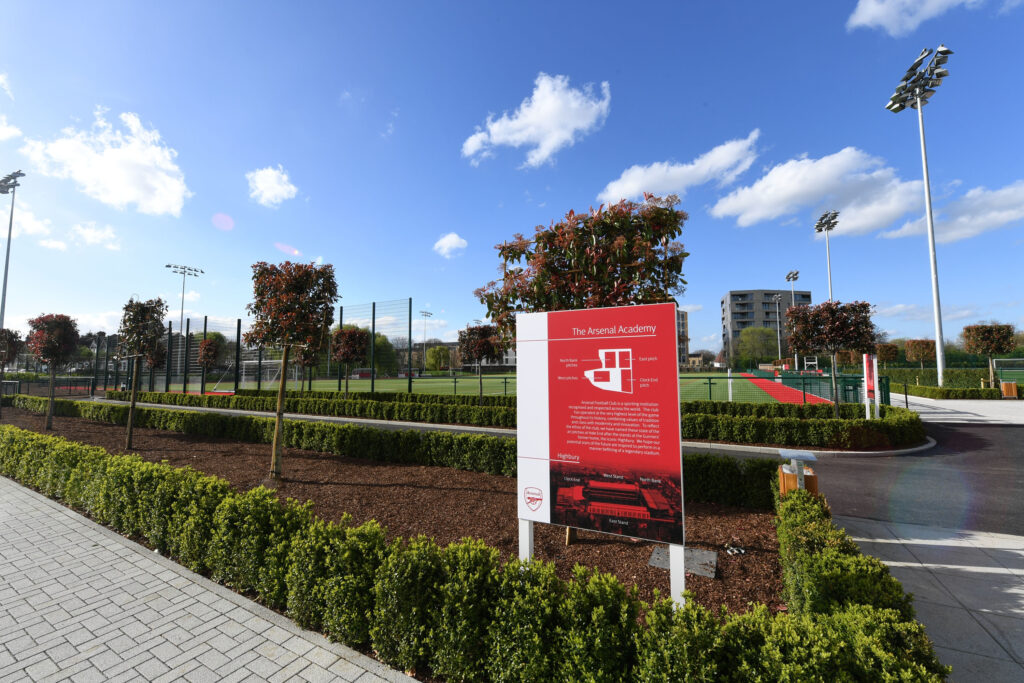
Speaking exclusively to Arsenal Insider, University of Liverpool football finance lecturer Kieran Maguire says that Arsenal are likely to sanction many more exits from Hale End – which has produced Bukayo Saka, Myles Lewis-Skelly, Ethan Nwaneri and others in recent years – in the coming seasons.
“It’s called ‘player trading’ for a reason. We’re going to see them sell many more players,” explains the Price of Football podcast host and author.
“Because Arsenal have had to play catch up for several years, the focus has been on recruitment. There have been some hits and there have been some quite spectacular misses.
“There haven’t been many big sales in recent years, however. There are a few reasons for that. For one, they are something of a destination club.
“There’s also the simple fact that there are only a handful of clubs that can afford to match their wages. They have taken time to monetise the academy in the same way that Chelsea and Manchester City have.
“Smith Rowe, Nketiah… they are now starting to get these eight-figure deals for academy players. And they are going to further utilise that to supplement their traditional revenue streams moving forward because it is a key component of SCR.”
How Arsenal will fare under the Premier League’s new spending rules
SCR or Squad Cost Ratio rules will be introduced by the Premier League next season. Taking inspiration from UEFA’s system of spending rules, SCR will limit clubs to spending 85 per cent of revenue plus a three-year average of player sale profits on new signings, agents’ fees and first-team wages.
Clubs have the capacity to increase that threshold as long as they compensate for the excess in subsequent seasons.
How should Arsenal vote on PSR?
UEFA’s limit is set at 70 per cent and is assessed over a calendar year.
Arsenal were reportedly close to the limit for 2025, but they have significantly more grace from 2026 onwards. And because the Premier League’s threshold is higher than UEFA’s, the Gunners are not expected to have any immediate issues with the new domestic spending rules.
Receive a digest of our best Arsenal content each week direct to your mailbox


