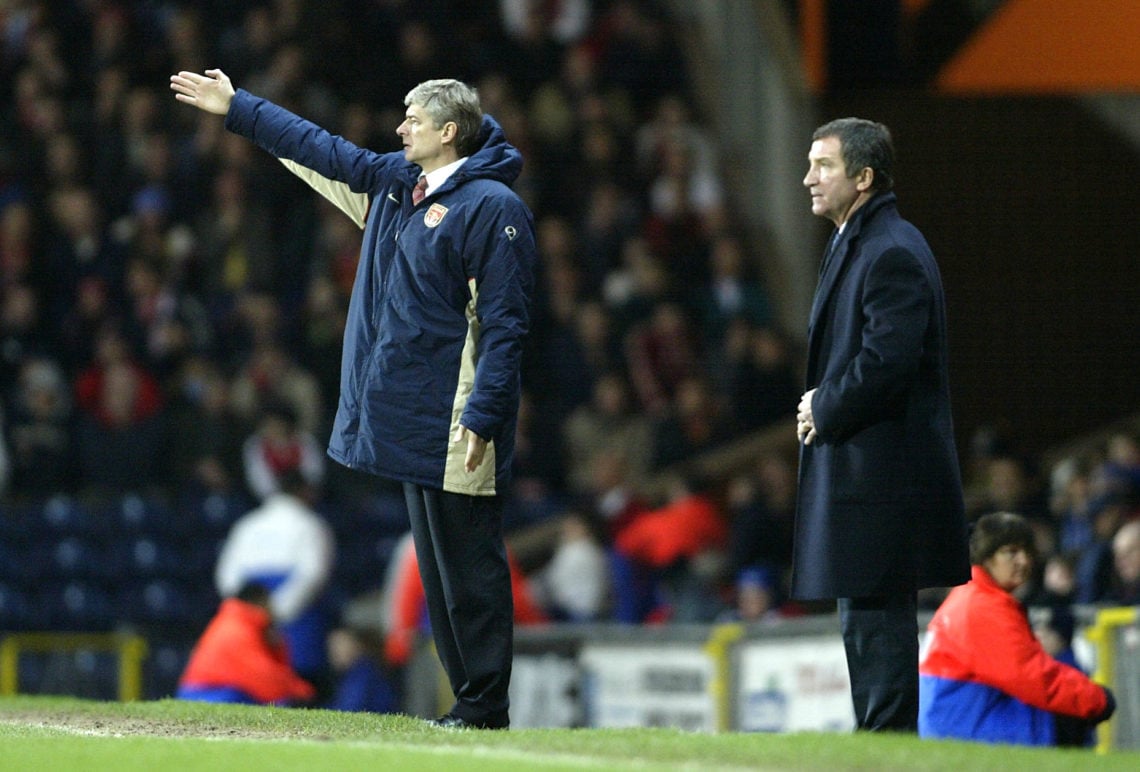


Arsene Wenger is the greatest manager in the history of Arsenal football club, and one of the best English football has ever seen.
Despite winning 10 major trophies, helping Arsenal oversee a stadium move, and revolutionising English football with his tactics and training methods, Wenger is still not respected by some.
Liverpool legend Graeme Souness launched a surprising attack on Wenger in October 2024, claiming that the Arsenal legend was simply “lucky” when it came to his success in the Premier League.
Souness’ words are baffling, particularly given his own lack of success in management after an excellent playing career.
One of Souness’ most memorable moments came when he signed Ali Dia, who claimed to be the cousin of one of Wenger’s best-ever signings, George Weah, who never actually played for Arsenal.
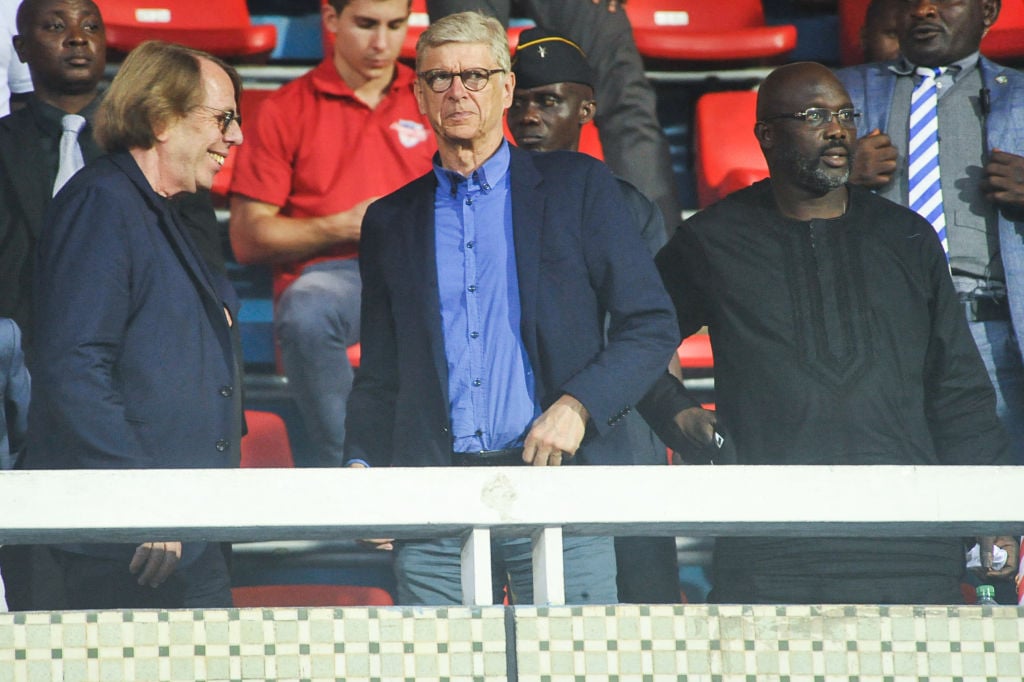
George Weah was one of Arsene Wenger’s best signings outside of Arsenal
Before Wenger arrived at Arsenal in 1996, he had a spell managing Monaco in his native France, where his eye for talent was already beginning to make an impact in football.
In 1988, Wenger made one of his best signings ever, as he signed George Weah from Cameroonian side Tonnerre Yaounde, and he even went to Africa to watch him play in person.
The Frenchman had spotted a diamond in the rough, and it would pay off. Weah scored 66 goals in 149 games for Monaco and was named the African Footballer of the Year in 1989.
Weah would eventually play for clubs including Paris Saint-Germain, AC Milan and Chelsea, and even won the Ballon d’Or in 1995, and he credits Wenger for enabling him to embark on such a glittering career.
“He was a father figure and regarded me as his son. This was a man, when racism was at its peak, who showed me love. He wanted me to be on the pitch for him every day,” Weah stated in 2017.
“One day, I was quite tired of training and told him that I was having a headache. He said to me: ‘George, I know it’s tough but you need to work hard. I believe that with your talent, you can become one of the best players in the world.’ So, I listened and kept going on. Besides God, I think that without Arsène, there was no way I would have made it in Europe.”
Weah went on to become the President of Liberia, and his gratitude to Wenger extends beyond football. His success truly shows how strong Wenger’s footballing brain was to identify Weah, and this even inspired Souness to try and copy him.
Graeme Souness signed Ali Dia after Arsene Wenger’s success with George Weah
Souness saw the success Weah had embarked on thanks to Wenger, and when he was managing Southampton in 1996, the Scot tried to copy his transfer masterstroke.
He signed Ali Dia after spells in non-league football, but the reason for his signing was that Souness had been informed by George Weah that Ali Dia was his very talented cousin.
Except he was not.
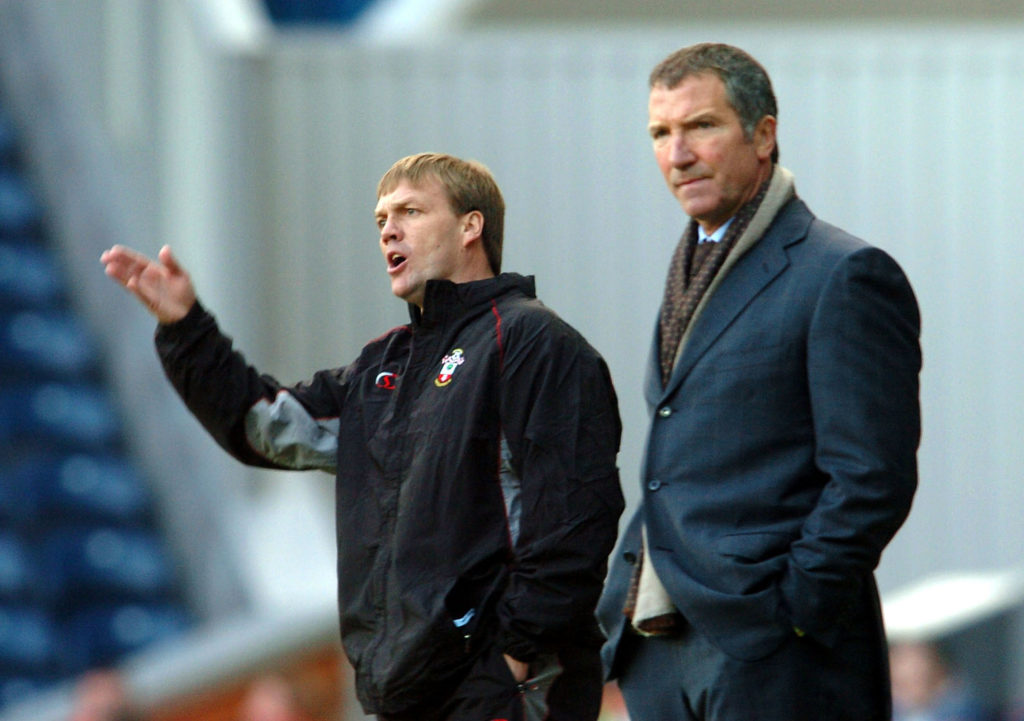
Rather than being a prodigal talent from the same family as Weah, Dia was in fact a striker who had spells in Non-League football in England, with the phone call to Souness later revealed to be a hoax.
Dia played one game under Souness for Southampton, in which he came on for Matt Le Tissier as a substitute, but was later withdrawn himself after a performance so bad that his contract was terminated two weeks later.
The Times ranked Dia as the worst signing in the history of English football, and Souness had truly been embarrassed, with the story of ‘George Weah’s cousin’ still told years later.
Arsene Wenger was a true footballing icon before and after Arsenal
Wenger had scouted and signed George Weah before embarking on his incredibly successful Arsenal spell, whilst Souness had been embarrassed over Ali Dia just before the Frenchman arrived on English soil.
Despite this, Souness was adamant that Wenger was not a ‘football man.’
“I don’t know if he’s a football man or not. I’ve never spoken football with him,” Souness recently stated of Wenger.
When asked whether he liked Wenger, or believed that he was a footballing man, Souness had some very harsh words.
“No, not particularly.” When asked why, he said: “I’ve been on the bench, listening to what he’s telling his players to do. I’ve been working for Sky in games where he has made very strange decisions.
“My take on it is he got very, very lucky at a time when French football produced its greatest-ever group of players. He inherited the best back-five in world football and a 22-year-old Bergkamp, I think Wright still had life in him.
“He had 10 years when he won a couple of FA Cups because that cycle had been and gone.”
Wenger is regarded by many to be one of the greatest footballing minds of all time, and his track record when it comes to his signings and his success proves this.
One only needs to look at the difference between Wenger and Souness in their managerial careers and transfer records, to realise that the Frenchman was indeed a true icon of the game.
Receive a digest of our best Arsenal content each week direct to your mailbox