

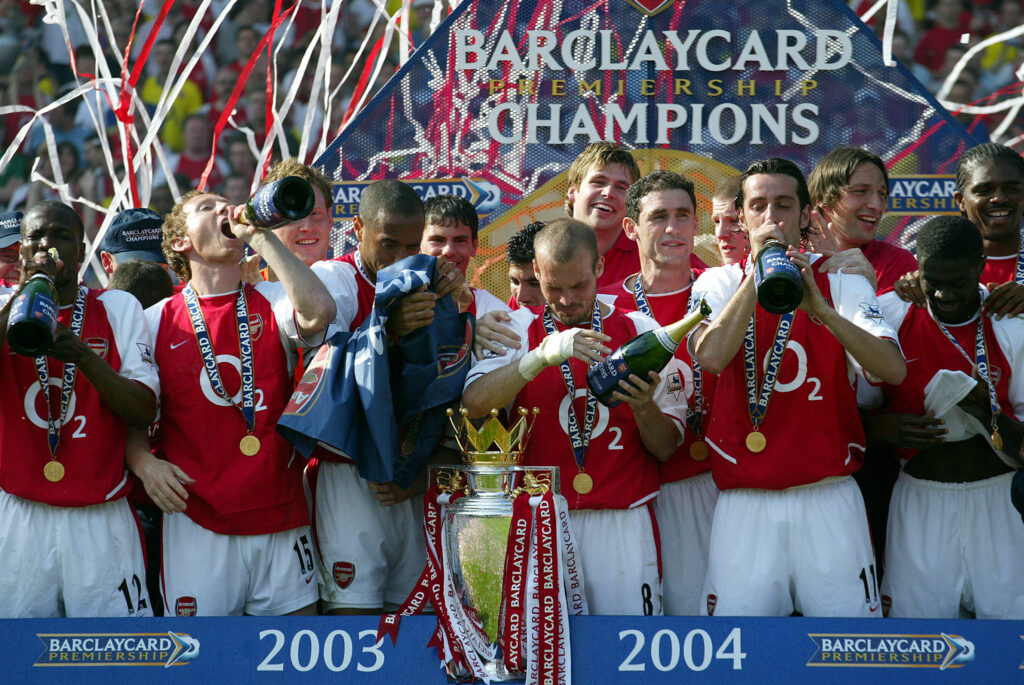
Arsenal have their best chance of Premier League glory in two decades, and a long-awaited first domestic triumph at the Emirates Stadium would reinforce the club’s evolving financial position.
With several of the teams immediately below them in the Premier League not in action until Sunday afternoon, Arsenal have the chance to go eight points clear against Sunderland tomorrow.
Three more points at the Emirates against a strong side led by the Gunners’ former skipper Granit Xhaka would give Mikel Arteta and his players more confidence that they can avoid becoming the first team in Premier League history to finish 2nd in four successive seasons.
Whatever the outcome of this season, however, the club are in a strong place financially.

Several years in the Champions League wilderness means that Arsenal have fallen behind their peer group when it comes to income from sponsorship, retail and other commercial streams, but they are now eating up the ground on the two Manchester clubs, Liverpool, Chelsea and Spurs.
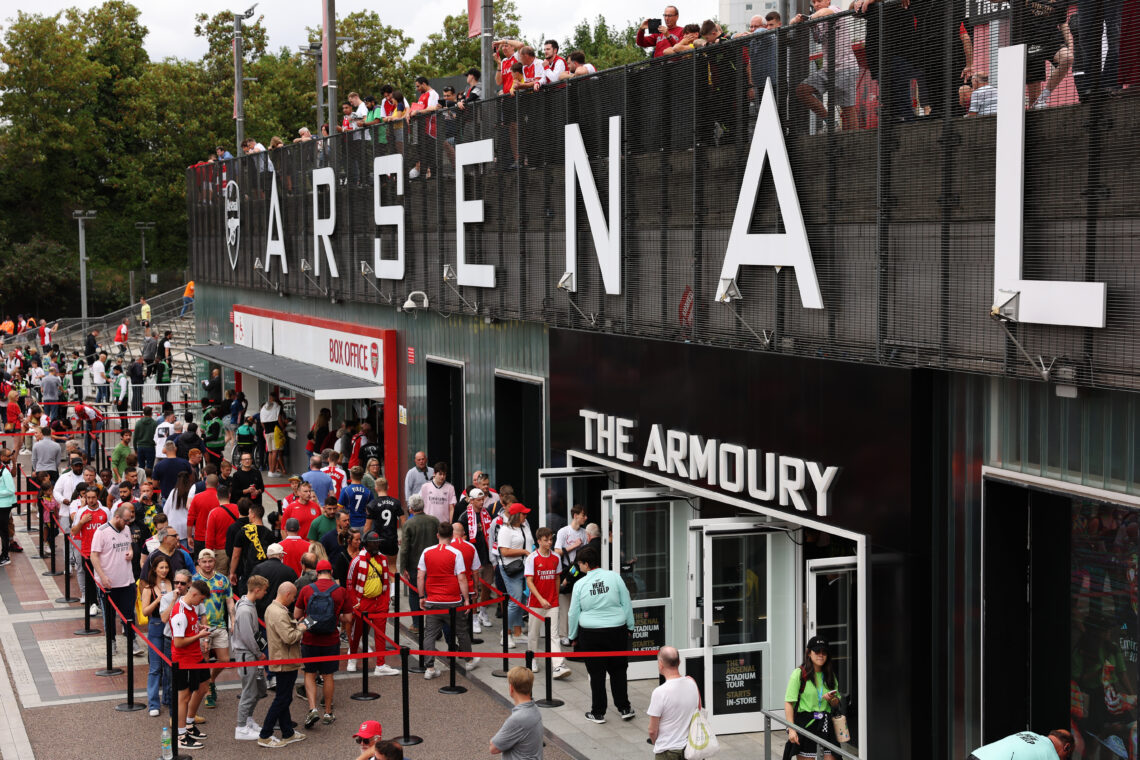
However, in terms of matchday income – revenue from ticket sales, hospitality packages, food and drink at the Emirates – they are at the very top of the tree. In 2023-24, the last financial year for which the accounts have been released, Arsenal’s matchday takings were £132m, second only to Man United.
Once the figures for 2024-25 are released in the spring, they might have surpassed their rivals in the North of England. In 2025-26, a season in which Arsenal have Champions League income and United have no European football of any description, the Gunners will almost certainly be the biggest matchday earners.
But what would Premier League glory do for Arsenal financially? Speaking exclusively to Arsenal Insider, Liverpool University football finance lecturer Kieran Maguire said: “A Premier League title would help.
“They went through a very fallow period – a bit like Man United – from 2016 onwards because they weren’t qualifying for the Champions League. That has been rectified, and that is a greater issue than actually winning the Premier League. Yes, sponsors like to have their product alongside the Premier League trophy, but it’s the Champions League that has the biggest step up in terms of its commercial impact.
“Winning the league would be welcomed by the commercial department and they will use it as a tactic in negotiations, but sponsors aren’t daft and they don’t think this is going to be a dynasty for the next five or six years. The competition at the top of the Premier League is so intense. We have three sides who are above the rest in Arsenal, Liverpool and Man City.”
What about Arsenal’s plan to expand the Emirates to a capacity of 70,000 or more? And could the modernisation of the stadium give the club the edge over Tottenham when it comes to staging lucrative non-football events in North London?
“Ultimately, there are a limited number of non-football events in London,” said Maguire.
“It is a competitive market. Spurs have done very well to get the deal over the line with the council that gives them the opportunity to have 30 non-football events per year. They will be aggressively promoting themselves.
“But at the same time, there will be clashes in artists and event marketers’ diaries, and Arsenal can take advantage of that. London is a big city. What Arsenal have to do is, first of all, acknowledge that Spurs have stolen a march on them and then try to upgrade the Emirates to future-proof it for a 30-40-year period. That involves tech and commercial analysis.
“I think we will see a move to targeting a demographic who are willing to pay premium prices – and there are an awful lot of those people. Broadcast revenues are flatlining domestically. There is still growth in maybe one or two cycles in the international markets, but clubs are acknowledging this and looking at making more money elsewhere.
“Arsenal have put up ticket prices, which increases yield per fan. Your matchday income is number of matches, multiplied by yield per fan, multiplied by average attendance. So if they can increase attendances by 15 per cent, your matchday income is going to rise by more than 15 per cent because they will be targeting premium demographics.
“I doubt there will be any more season tickets in those extra 10,000 seats, for example. A lot of them will be hospitality packages. You’re looking at maybe £40m in additional revenues.”
In the last financial year, Arsenal’s combined income from commercial and matchday was just short of £252m. But when the club announces its results for 2024-25 in the spring, the finance analyst and author of the Vanity, Sanity and Reality newsletter Greg Cordell predicts that figure will surge to £391m.
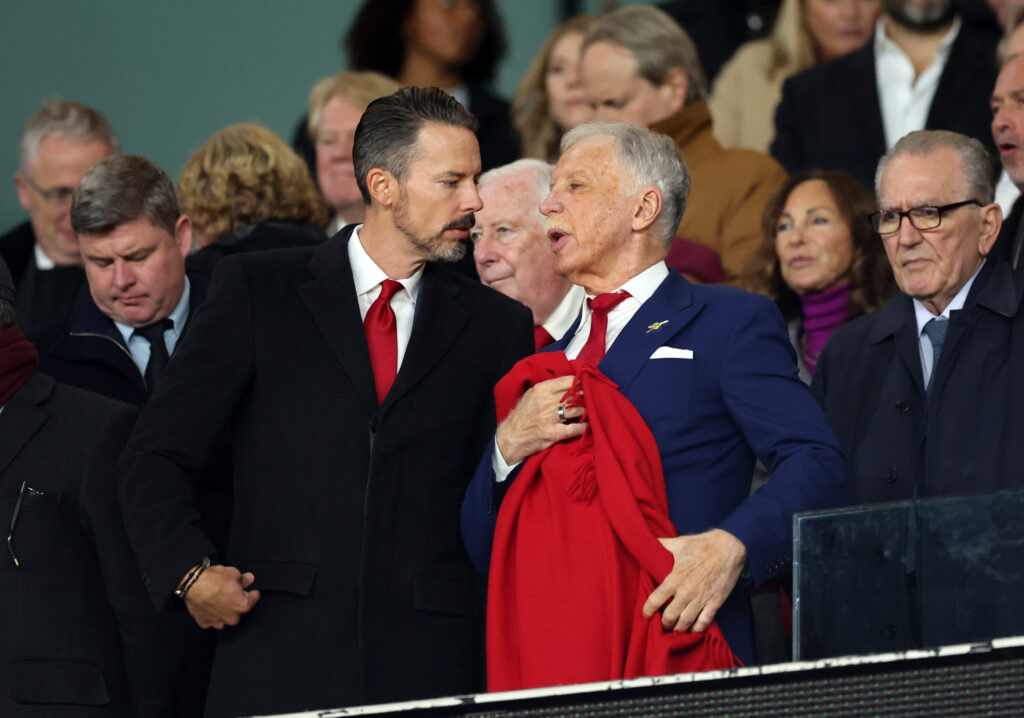
For Stan Kroenke, who favours a self-funding model at the Emirates, that’s important.
Every extra pound the club earns in commercial and matchday income is a pound he doesn’t need to put his hand in his own pocket for.
And given that he has underwritten Arsenal’s financial losses to the tune of nearly £400m in recent years, the owner will be glad to see the club’s business strategy paying off.
Receive a digest of our best Arsenal content each week direct to your mailbox