

Financially, Arsenal are behaving like a superpower once again.
In 2024-25, the club generated the 7th-highest turnover in world football, driven by both an upswing in performance-related TV income and an accompanying boost in commercial and matchday revenue.
After beating Bayer Leverkusen in the Champions League to secure passage to the quarter-final in midweek, Arsenal are now favourites in Europe and domestically, while the League Cup final on Sunday could deliver the second trophy of the Mikel Arteta era.
Regardless of what happens between now and the end of the season, the Gunners are virtually guaranteed to set a new club record for revenue again this term.
Troy Deeney says ‘Bayer Leverkusen were better’, what’s your response to him?
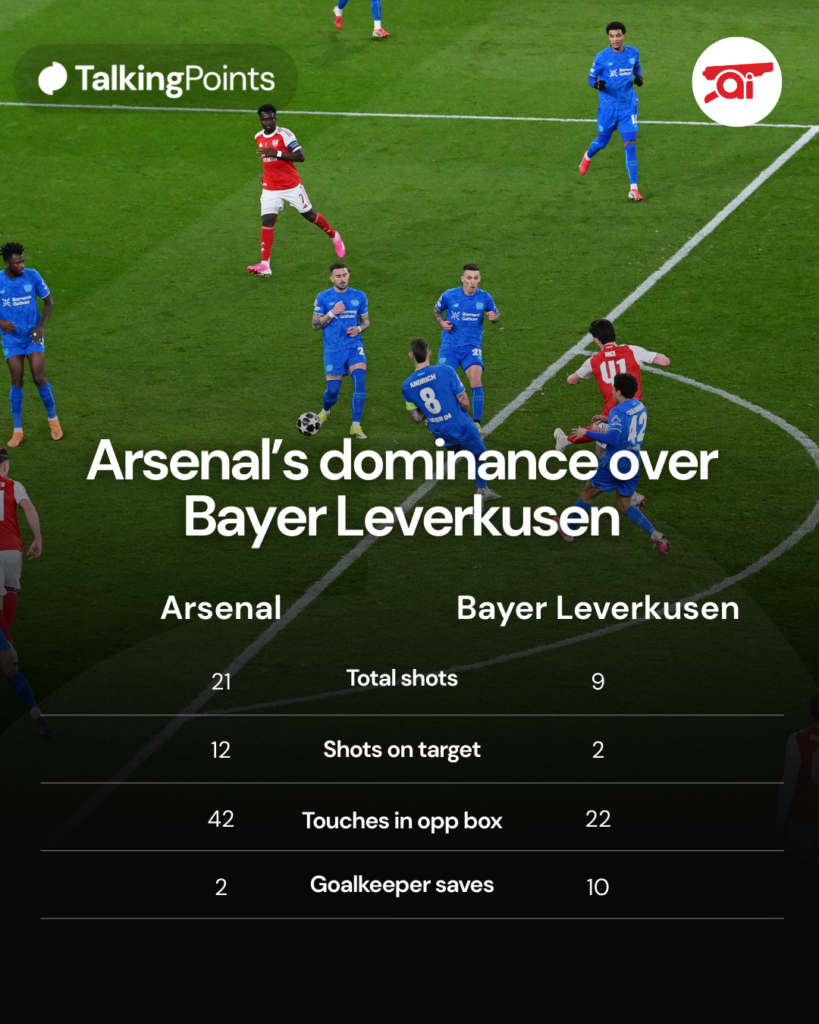
For context, vanquished Leverkusen will probably earn about £300m this season, whereas Arsenal could potentially reach £750m.
While the Gunners are clearly a bigger global ‘brand’ than Bayer 04, the main difference between the two clubs financially is the respective TV deals of their domestic leagues.
The Premier League distributed about £2.8bn to clubs last season in the form of prize money, whereas the top two divisions of German football will split less than £1bn between them for the campaign. And, of that £2.8bn figure, £1.3bn is from TV and commercial deals sourced from outside the UK
Even though it hasn’t necessarily been reflected in English clubs’ performance in Europe this season, the chasm between the Premier League and the rest of the continent has driven intense debate at governance level of late.
One stakeholder is the Union of European Clubs, a challenger to the European Football Clubs (formerly the European Club Association) as a lobbying group for what they perceive to be underrepresented clubs.
Arsenal are a senior member of the European Football Clubs organisation, whose membership has tripled since the failed European Super League plot in April 2021. All has been forgiven between the Super League clubs and the European game’s powerbrokers, with the two parties agreeing to the new, more lucrative Champions League format primarily at the behest of the Super League clubs.
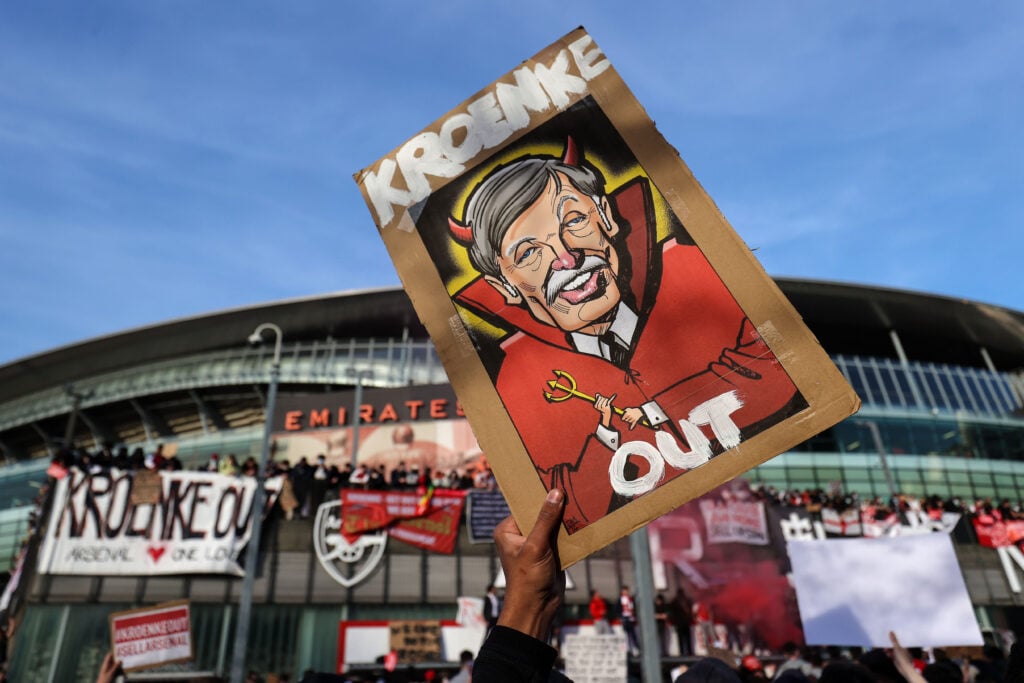
The Union of European Clubs, however, is asking for more of the wealth to be shared around.
As reported by The Athletic’s Matt Slater, the Union wants UEFA to scrap their ‘value pillar’ which makes up a significant portion of the money that Arsenal earn from European competition each season based on their coefficient ranking and the value of the UK’s TV deal for the Champions, Europa and Conference Leagues.
“The Union of European Clubs’ demands are a wish list,” said University of Liverpool football finance lecturer Kieran Maguire, speaking exclusively to Arsenal Insider.
“It’s got zero chance of being achieved. Unfortunately, the current systems are embedded and have given away such significant concessions to the larger clubs – the likes of Arsenal – that the ship has sailed.”
But what about at the domestic level? Is Arsenal’s financial advantage because of the Premier League’s overseas popularity simply insurmountable for European rivals?
“The Premier League’s financial dominance can’t be reversed,” said Maguire.
“You have to give Rick Parry and his team the credit for their work at the inception of the Premier League in setting the competition up to dominate the TV market globally. There is only room for one European league in neutral international markets – the likes of Asia, Africa, South America. The Premier League got in early and has been ramping up prices.
“You now have an embedded fanbase for Arsenal and the Premier League as a whole in those markets who will say that they only want to pay for the Premier League and very little else.
“I don’t see how La Liga and the Bundesliga can narrow that gap. The Premier League is getting 52 per cent of its revenue from overseas, whereas those leagues might be getting 10 per cent. Getting market penetration is impossible or close to impossible, so that financial advantage will be maintained unless there is some seismic change in the appeal of the Premier League.
“I can’t see that going away while we still have superstar teams like Arsenal and the other big clubs.”
Receive a digest of our best Arsenal content each week direct to your mailbox