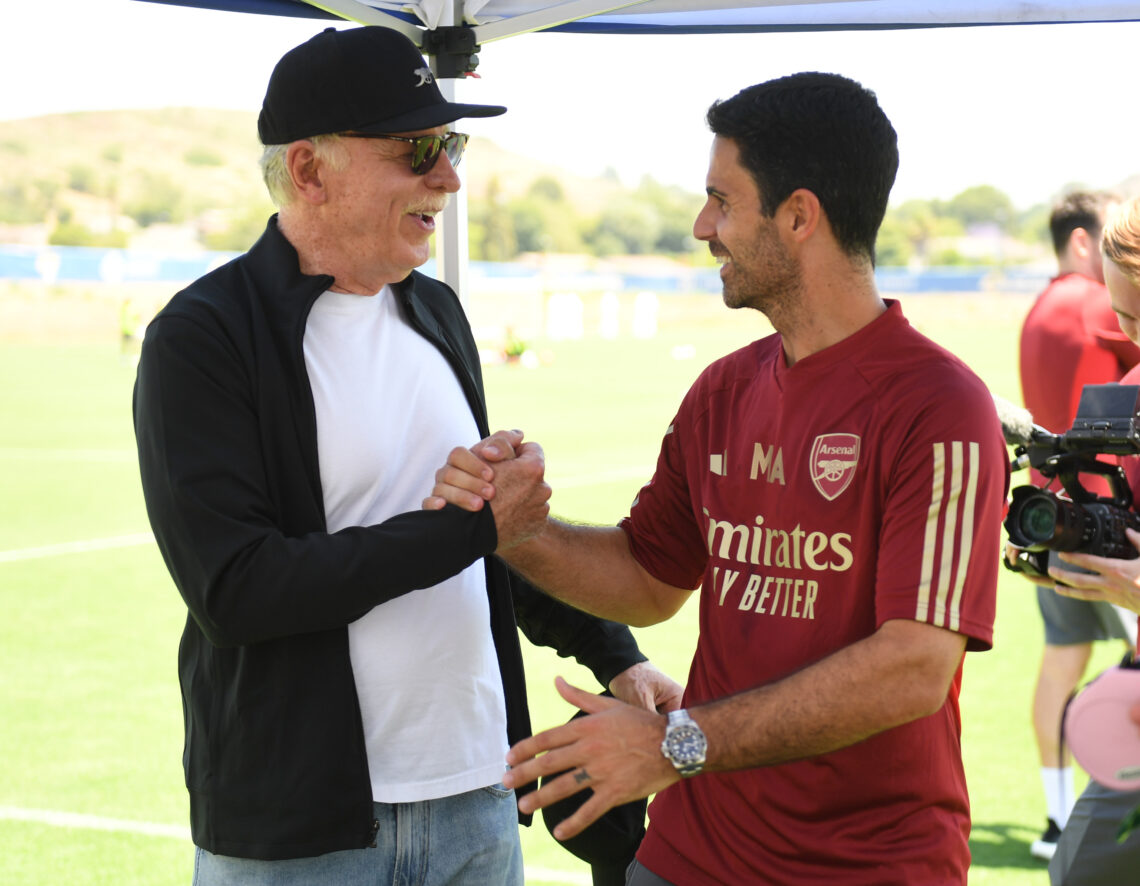


The Premier League is awash with multi-club networks of different shapes and sizes, but Stan Kroenke has resisted placing Arsenal into such a model.
Mikel Arteta, of course, is dealing with more pressing issues, like ending a two-decade wait for a Premier League title and, ahead of Atletico Madrid tomorrow night, his dreams of being European champion.
However, the Spaniard – whose coaching education came in the biggest multi-club network of all, Man City’s City Football Group – has hinted that he would like Arsenal to explore the multi-club approach in the past.
[It is] something that a lot of clubs have,” he remarked in one pre-match press conference early last year.
Should Arsenal launch a REAL multi-club model?
Stan Kroenke already owns the MLS's Colorado Rapids, but should MORE clubs join the Arsenal stable?
“Restrictions in the country have provoked many other clubs to have sister clubs or multi-club systems. Looking ahead in the future it’s something to explore because obviously with the actual system it’s very, very difficult.
“Every club is very different in the way that they are set up and the clubs that they have picked are various. It’s obviously a decision from our ownership and the board to understand what is the best thing for the club in the future. My involvement is in the team and the squad. I have full trust in the club, and they have to decide. If the club wants my opinion, I’m more than happy to give that, but my focus is on the team.”
Arteta was alluding to the fact that several English clubs use satellite teams to recruit and effectively keep youth talents in a holding pattern before the FA deem that they have the requisite experience (under a points-based system) to move to the mothership in the Premier League.
Other multi-clubs, meanwhile, have tried to create commercial synergies between their teams, as well as spreading financial risk, pooling certain costs, and sharing knowledge and infrastructure between their various outposts.
Critics of the multi-club model – and there are many – suggest that it doesn’t respect clubs’ unique identities, with the likes of Strasbourg, Chelsea’s sister club, clearly the subservient partner in the relationship. There are regulatory issues too. See: Crystal Palace being demoted from the Europa League because of their now-ended relationship with Olympique Lyon owner John Textor.
So, as to the efficacy of the multi-club model, the jury is out. But with over half of the Premier League now involved in a network of this kind, what is Arsenal’s position?
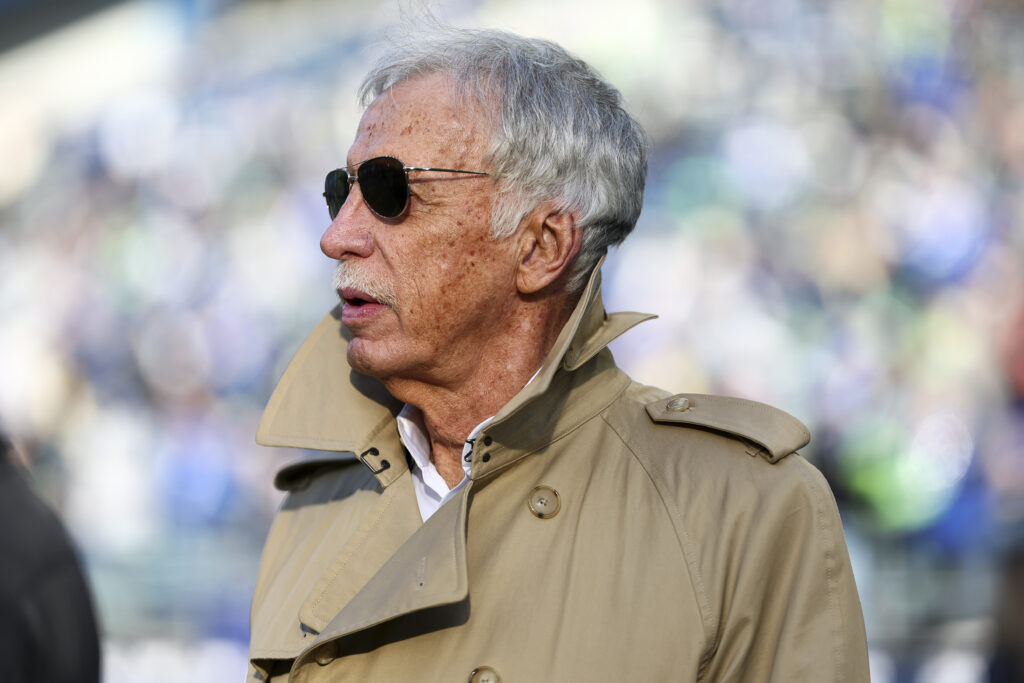
The paradox is that Stan Kroenke already has a multi-club network of sorts. He has owned Major League Soccer’s Colorado Rapids since 2004, well before he became even a minority shareholder at the Emirates.
On paper, the Rapids are an attractive property, too. Forbes recently valued them at £335m, which is more than Newcastle United sold for in 2021. In 2010, they won the MLS Cup. Their median attendance is around the 20,000 mark, more than several Premier League clubs.
Recently, the Rapids were in the news for setting the second-highest MLS attendance, with almost 76,000 fans taking in their 30th-anniversary fixture, a 3-2 defeat at the Denver Broncos’ Empower Field against Lionel Messi’s Inter Miami.
But Kroenke has given the Rapids very little love of late. Fans complain of a lack of investment, both in terms of the playing squad and infrastructure. And while that £335m figure is impressive in isolation, it is one of the lowest in the MLS, where valuations are booming.
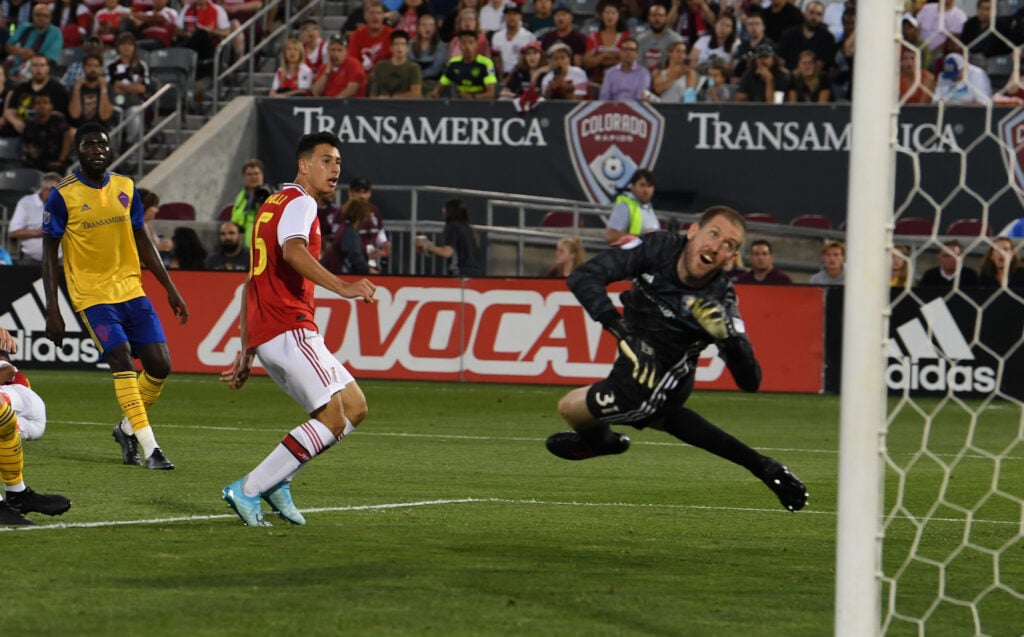
And the relationship with Arsenal? Apart from a pre-season friendly in 2019 and some ambiguous rhetoric about knowledge sharing, it’s virtually non-existent.
“It does appear that Kroenke is a bit of an absentee owner with the Rapids,” observes University of Liverpool football finance lecturer Kieran Maguire, speaking exclusively to Arsenal Insider.
“However, you could have said the same with Arsenal until Josh Kroenke got involved. Stan is quite happy on his ranch. He gets bored and decides to keep clubs on life support and just funds them as and when necessary. He isn’t too interested in operational activities. He has a very broad portfolio of investments, of which the Rapids are an insignificant part. If there were more of a structured relationship between Arsenal and the MLS, I think it would be more to do with knowledge sharing and player exchanging.”
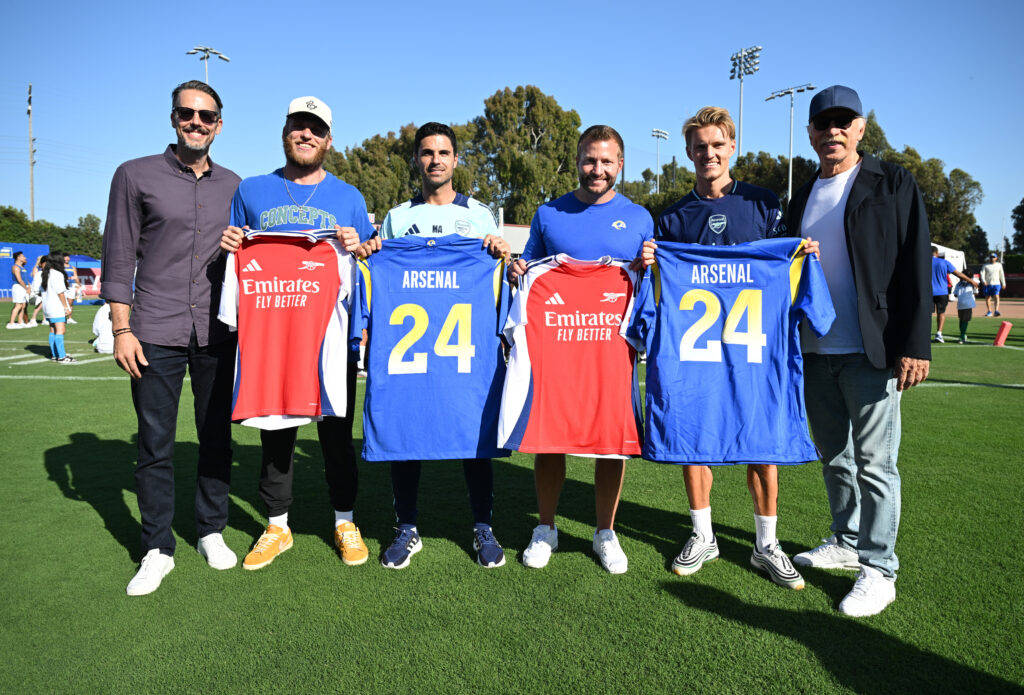
One measure Kroenke Sport & Entertainment have taken to knit together a portfolio which encompasses Arsenal, Colorado Rapids, Colorado Avalanche, LA Rams and the Denver Nuggets is to create an organisation which exists to sell sponsorship deals across the network.
Could that herald a more integrated approach at Arsenal and the Rapids? And with America approaching World Cup season and the Gunners breaking TV viewership records in the US, is now the perfect time to capitalise?
After the European Super League and years of underperformance, do you FINALLY trust Stan Kroenke?
It's been a bumpy ride, but the owner is starting to deliver

“I’m not sure,” says Maguire, “because there are different seasons, differences in terms of the cultures between the US and the UK. There are some potential benefits, but we haven’t really seen them materialise between Premier League and MLS clubs. It’s not the same as the multi-club models in Europe, which let you use other clubs as a nursery for young talent who you can’t recruit directly because of changes to the rules after Brexit.
“So there are very few operational benefits in owning an MLS club and a Premier League club simultaneously other than being to maybe offer sponsors a global product.
“For all intents and purposes, they are completely independent of one another. There doesn’t appear to be any impetus from the Kroenke clan to change that going forwards, so I don’t see this dial moving.”
Receive a digest of our best Arsenal content each week direct to your mailbox