

Arsenal want to win the lot this season. If they somehow go all the way in the League Cup, FA Cup and Champions League, Mikel Arteta’s players will have played a 65-game campaign.
And for Arsenal’s internationals, there is then the small matter of the World Cup in the summer. Players who go deep into that tournament will likely be approaching 70-game seasons. Hypothetically, if a Gunner featured in every game for club and country in 2025-26, the number could reach as high as 75.
Elsewhere, Arsenal players will have international teammates who competed at the bloated Club World Cup, in a domestic or European super cup, five or six pre-season friendlies, European play-offs and potentially even mid-season exhibition matches. In the most extreme case, the total could surpass 100.
Okay, that is wildly unlikely, but the demands of this utterly relentless fixture calendar are exactly why Arsenal’s transfer business in the summer was focused on squad depth, not necessarily star power.

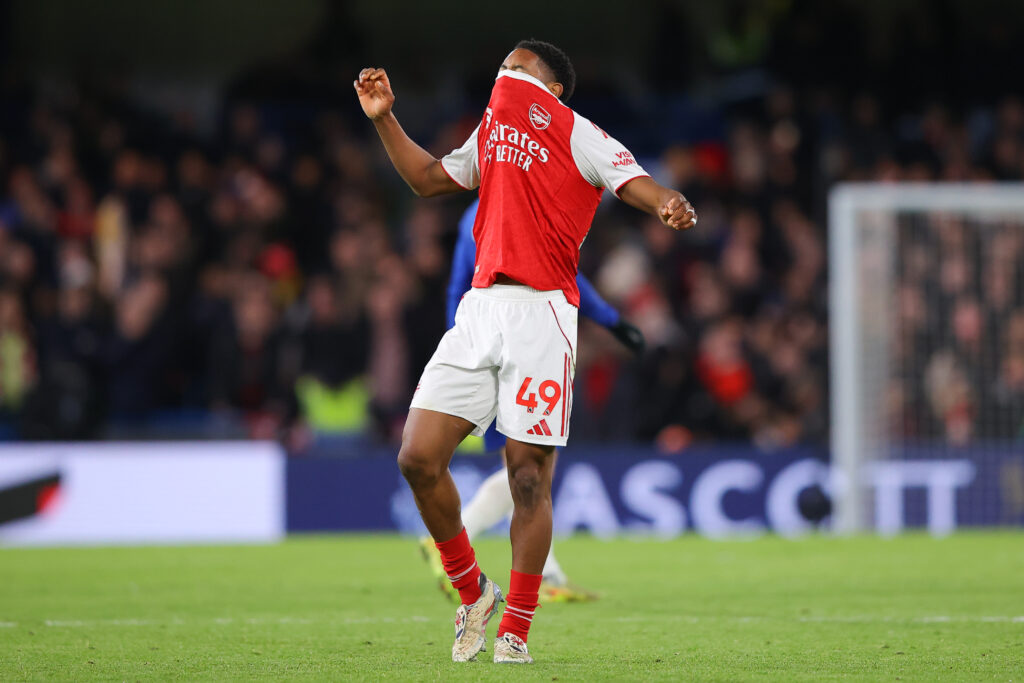
For Sunday’s 1-1 draw at Chelsea, Mikel Arteta was without Gabriel and William Saliba.
Afterwards, the boss said: “To be fair, [our depth] has been tested since pre-season. We lost six or seven players, constantly out of the squad. But I have no doubts with the squad we have and the mentality every player has.”
Who was Arsenal’s most disappointing performer against Chelsea?
Who was our weakest player against Chelsea? Let us know in the comments.
Arteta also highlighted that his side had one day less than Chelsea to prepare after the Champions League in mid-week, where Arsenal picked up one of their best results of the season with a 3-1 win over Bayern Munich, the team who were so often the tormenters of more feeble iterations of Arsenal.
The Gunners will play 15 times in the Champions League this season if they go one further than they did in 2024-25 and reach the final.
That includes the two extra matches in the league phase. That format was introduced to placate the former European Super League clubs, whose owners – Stan Kroenke included – want more matches between the game’s very biggest clubs.
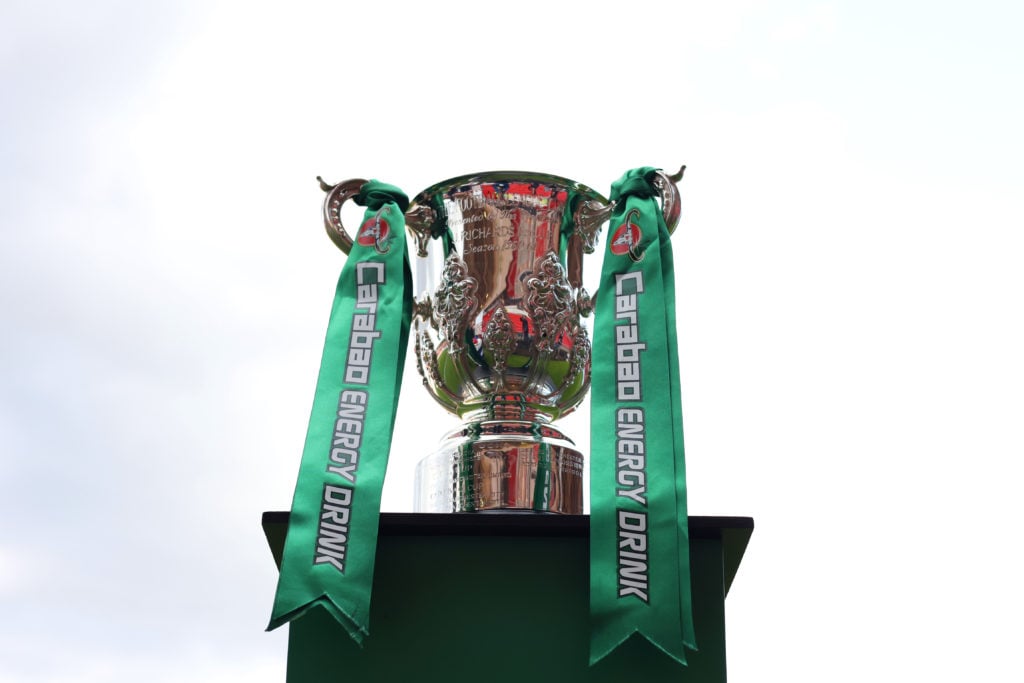
With players threatening collective action, something’s got to give. And the most obvious fall-guy, in England at least, is the League Cup. Sorry, the Carabao Cup.
Could Arsenal withdraw from League Cup and push for more European expansion?
Arsenal continue their League Cup campaign with a quarter-final meeting with Crystal Palace on 23 December, which follows wins over Port Vale and Brighton in the previous rounds.
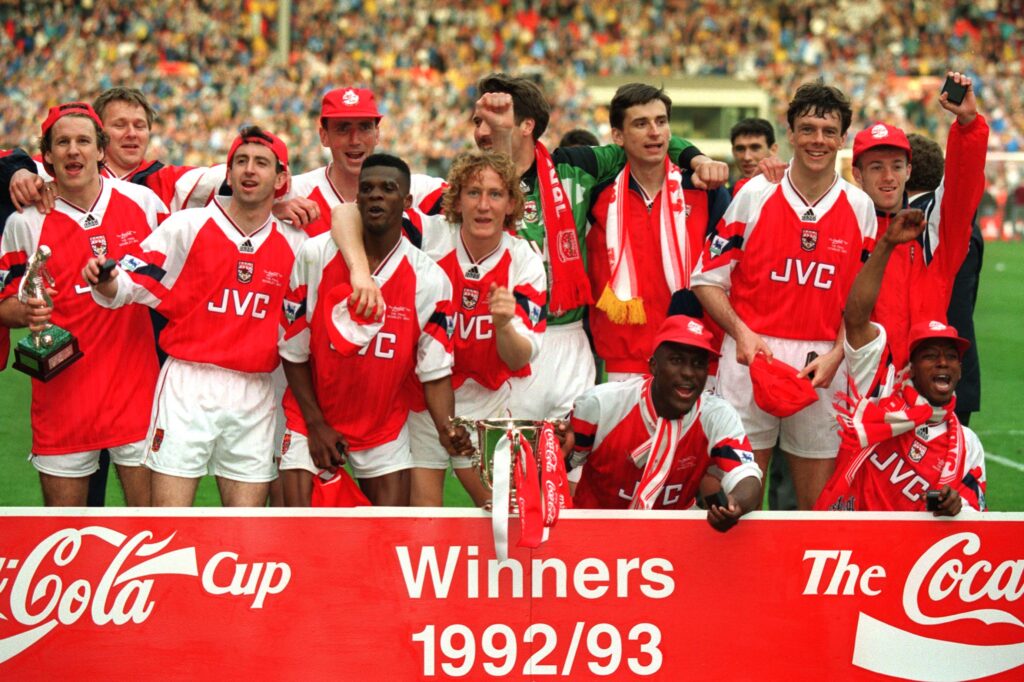
The competition could yield only the second trophy of the Arteta era so far, but it quite obviously pales in comparison next to the prestige that a Premier League or Champions League title would deliver.
Last week, the higher-ups at Arsenal’s women’s team were among the teams who successfully voted to scrap League Cup participation for clubs competing in the Champions League from 2026-27 onwards.
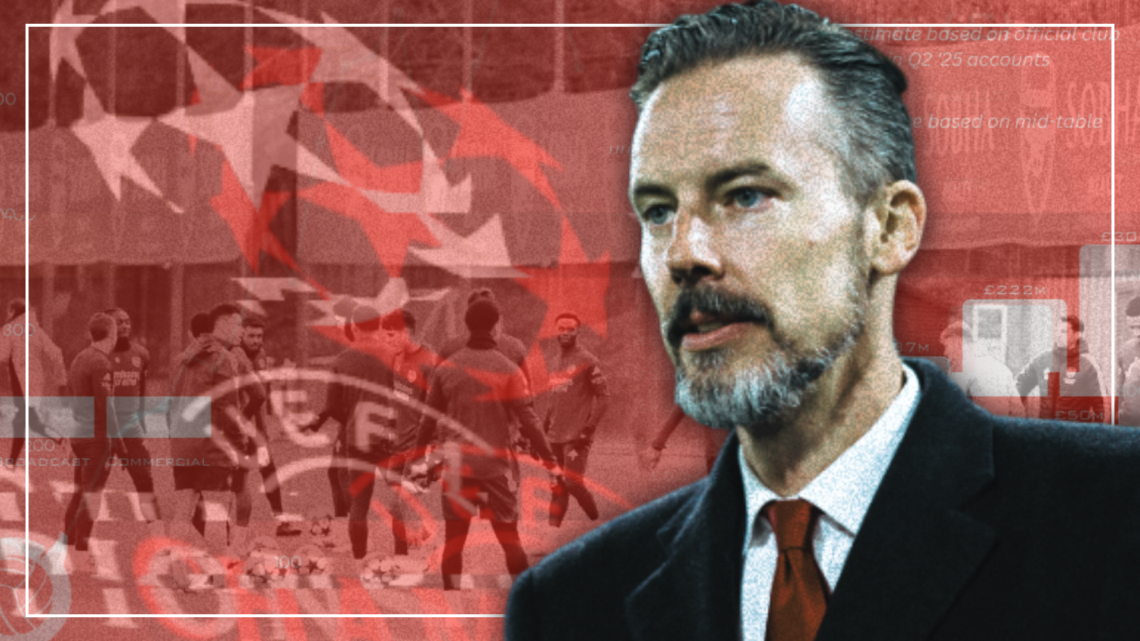
And it is a move that Josh Kroenke and the rest of Arsenal’s higher-ups would love to replicate on the men’s side, according to Liverpool University football finance lecturer Kieran Maguire.
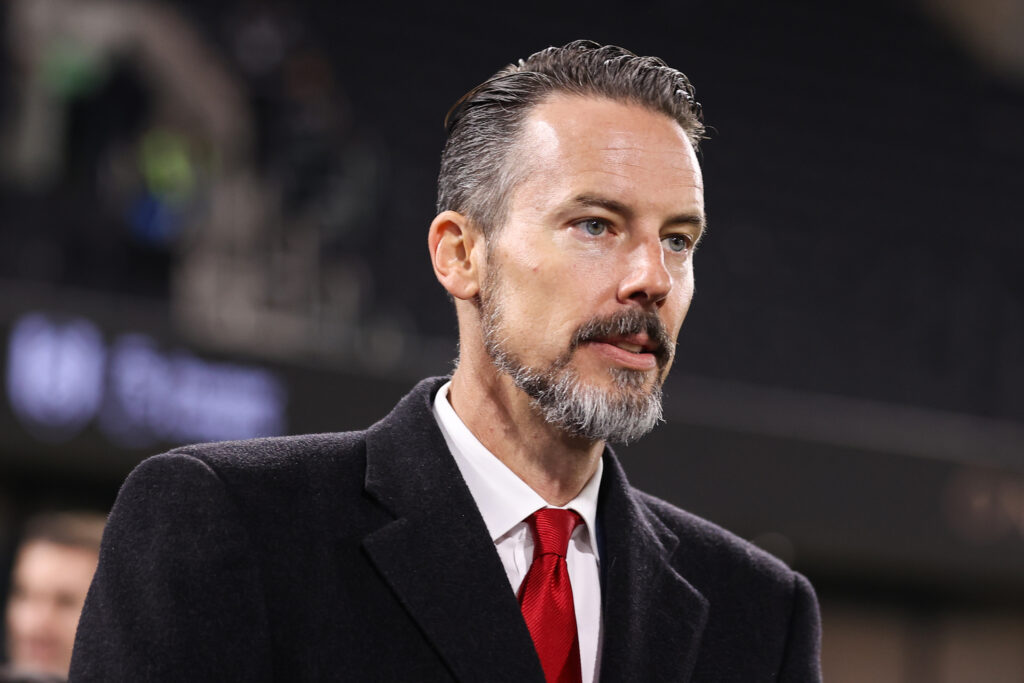
“There is an issue with fixture congestion that Arsenal are concerned about,” Maguire said in exclusive conversation with Arsenal Insider.
“The prize for winning the League Cup is only £100,000, so there is no financial benefit, A club like Arsenal is going to qualify for Europe via an alternative route anyway, so again, no benefit there.”
“There is no desire to compete in the League Cup. They would much rather have a further-extended Champions League, especially with A22 continuing to make noises about a breakaway league with 16 group games.“
A22 is the company behind the plot to revive the European Super League. It says it has held positive conversations with all of the big English clubs, though the veracity of that claim isn’t known.
The threat of Super League 2.0 is the primary reason UEFA decided to expand the Champions League to 36 teams under a new ‘Swiss model’ ahead of 2024-25.
Should the League Cup be scrapped?
Have your say. 👇
And, according to Maguire, Arsenal are throwing their weight behind the continued expansion of the European game, potentially at the expense of its domestic equivalent.
“The result against Bayern Munich was superb and Arsenal were able to charge AAA prices.
“If you have a further expanded Champions League, you’d anticipate that clubs like Arsenal would anticipate qualifying with a few games to spare, and you could blood some of the youngsters in those spare games.
“We also have the new competition in which the National League sides compete against Premier League academy sides. That’s why the National League dropped its opposition over scrapping FA Cup replays.”
Carabao Cup is financially meaningless to Arsenal, but not to EFL clubs
For Arsenal, the Carabao Cup is a relatively trivial competition, but that isn’t the case for their peers in the EFL, for whom it is a significant source of revenue.
The EFL’s domestic TV deal is worth £935m over its current five-year cycle, with an unspecified proportion of that figure attributed to the League Cup.
What’s more, gate receipts in the Carabao are split 45-45 between home and away, with the remaining 10 per cent pooled and redistributed among participants.
For a League One or League Two club drawn away at Arsenal, that could represent a seven-figure windfall, which could in turn be as much as 25 per cent of their annual revenue.
These clubs rarely break even, and an even share of ticketing income at the Emirates or another blue-chip ground could be the difference.
Arsenal could back move to 18-team Premier League
As well as the potential paring back of the League Cup, a reduction in the size of the Premier League has also been mooted in recent years.
Premier League CEO Richard Masters says it’s not on the agenda right now, but Arsenal Insider regularly speaks to finance industry sources who say an 18-team division is the long-term goal of many clubs.
The Bundesliga has long been an 18-team competition, but France’s Ligue 1 is a more recent adoptee of the model, removing two teams ahead of the 2023-24 season.
On face value, fewer matches might seem like a negative for Arsenal and the Kroenkes financially. Surely, more games equals more revenue opportunities?
Do Arsenal play too many matches?
Join the conversation. ⬇️
Not exactly. Club owners don’t necessarily want fewer matches. Instead, they want fewer of what they would deem ‘low-quality’ matches.
Removing two minnows from the Premier League would not see Arsenal sacrifice much in the way of revenue, as relegated teams aren’t typically the ones which generate the biggest gate receipts or sway with potential commercial partners.
Simultaneously, what the club lost in revenue would likely be compensated for in smaller costs – both in terms of administrative expenses and player wages.
Invariably, a club’s wage bill is its biggest expense. At the last count, Arsenal spent £328m on payroll, with the vast majority of that going to the first team.
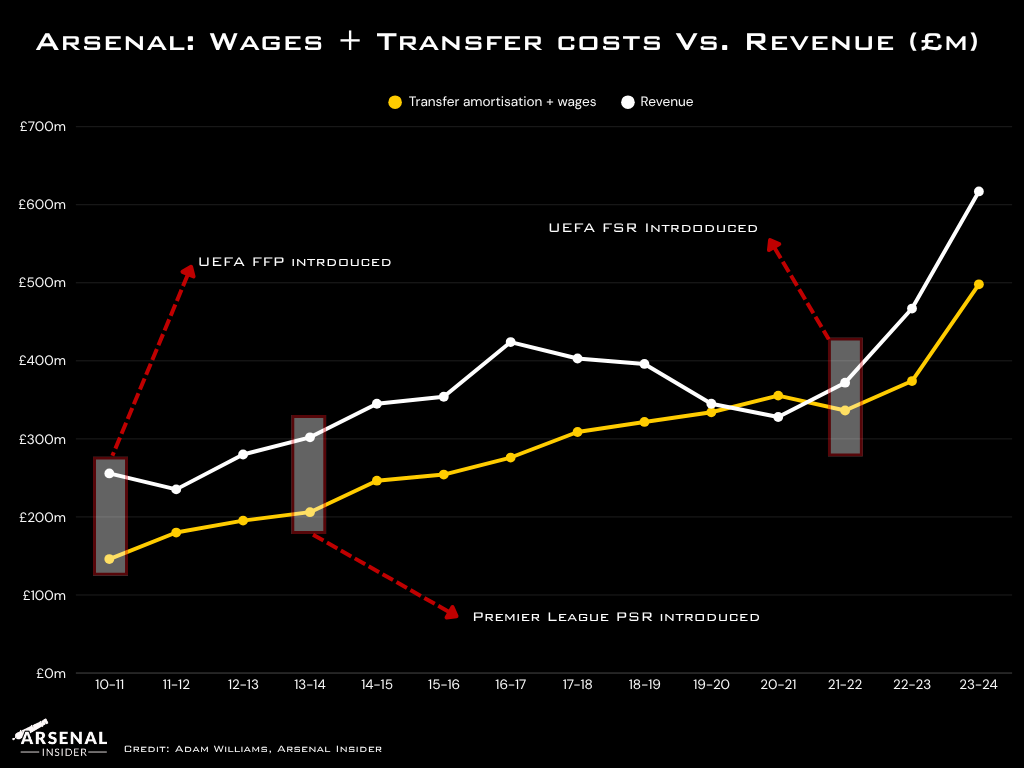
Fewer matches might allow for a smaller squad and a smaller wage bill.
Tellingly, Arsenal are understood to support the expanded Club World Cup. Unlike matches against lower-profile English teams, that competition offers one of the best financial returns per match in the sport.
Receive a digest of our best Arsenal content each week direct to your mailbox