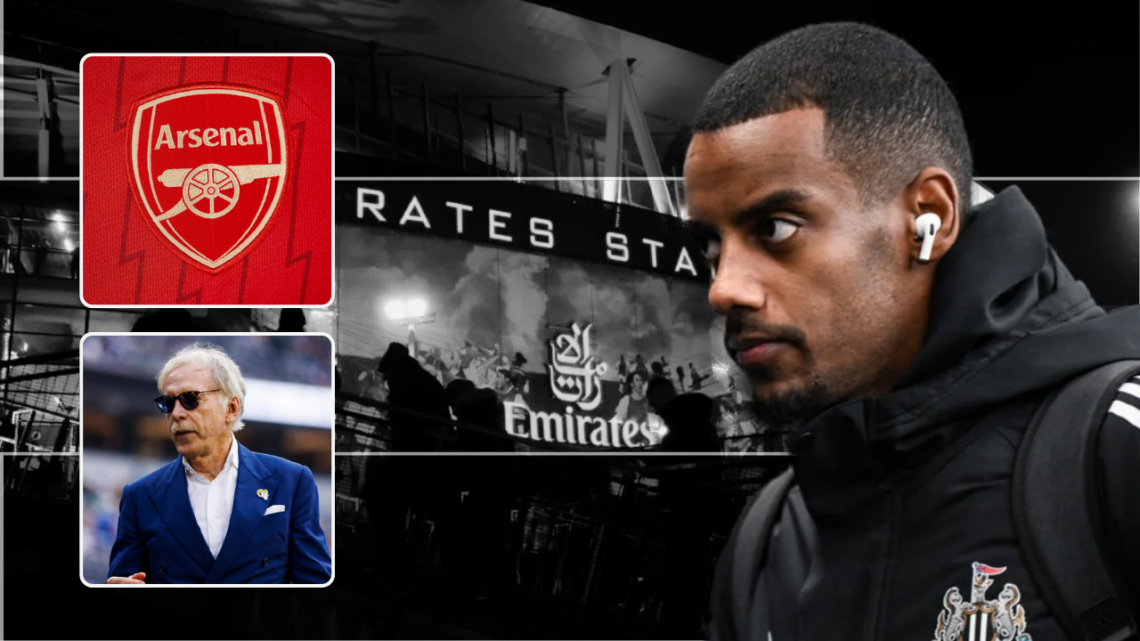


Arsenal owner Stan Kroenke’s personal wealth is incomprehensible for the average L5 resident and, unless you happen to be one of the world’s 2,783 billionaires, just about anyone else on the planet.
So why is fronting £100m-plus – which is less than one per cent of Kroenke’s net worth – for Alexander Isak or another world-class striker to take the Gunners to the next level seemingly not a top priority?
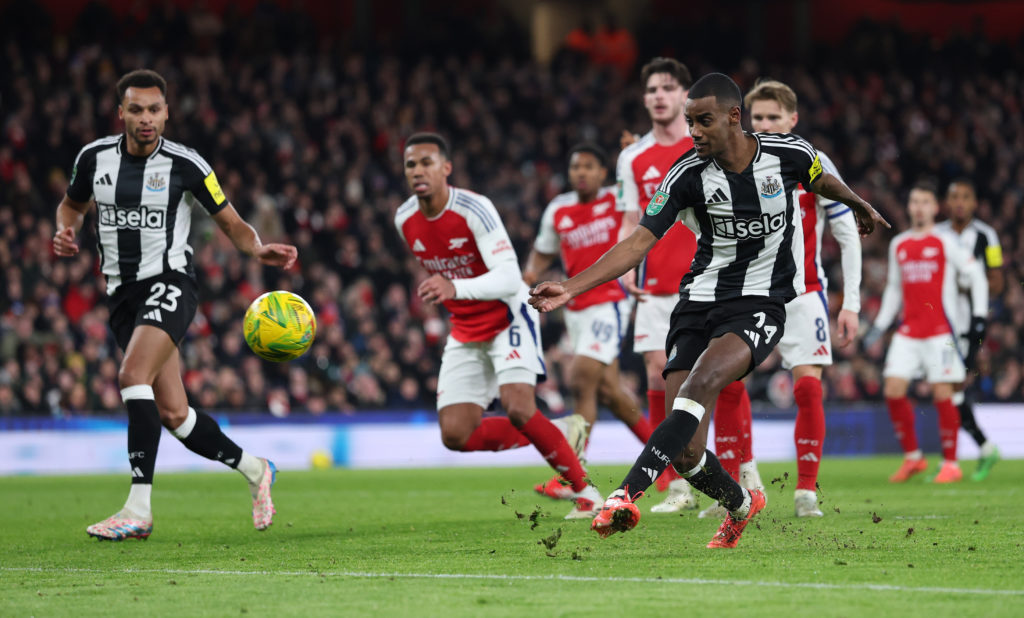
Few teams in world football control games as well as Mikel Arteta’s side but, as evidenced by their one goal from an xG of almost 4.0 in Sunday’s FA Cup defeat to Man United, they lack a killer in the box.

Had they had a centre-forward of Isak’s calibre, there’s every chance that their 2nd-place finishes in the last two Premier League seasons could have been the 14th and 15th league titles in Arsenal’s history.
As it stands, Arsenal are on course for yet another silver medal. Meanwhile, runaway leaders Liverpool are demonstrating the value of a potent force in the box.
| Position | Team | Played MP | Won W | Drawn D | Lost L | For GF | Against GA | Diff GD | Points Pts |
| 1 |  LiverpoolLiverpool LiverpoolLiverpool | 19 | 14 | 4 | 1 | 47 | 19 | 28 | 46 |
| 2 |  ArsenalArsenal ArsenalArsenal | 20 | 11 | 7 | 2 | 39 | 18 | 21 | 40 |
| 3 |  Nottm ForestNottingham Forest Nottm ForestNottingham Forest | 20 | 12 | 4 | 4 | 29 | 19 | 10 | 40 |
| 4 |  ChelseaChelsea ChelseaChelsea | 20 | 10 | 6 | 4 | 39 | 24 | 15 | 36 |
| 5 |  NewcastleNewcastle NewcastleNewcastle | 20 | 10 | 5 | 5 | 34 | 22 | 12 | 35 |
| 6 |  Man CityManchester City Man CityManchester City | 20 | 10 | 4 | 6 | 36 | 27 | 9 | 34 |
Mohamed Salah has either scored or laid on 66 per cent of Liverpool’s 47 league goals in 2024-25. Arsenal’s top scorer this term? Kai Havertz with seven.
The Gunners have coveted Newcastle United’s Isak for some time and, in the football department at least, are not naïve about the need to sign a goalscorer as soon as possible.
At Kroenke Sports & Entertainment HQ, however, there is no enthusiasm for fireworks in the January transfer window, with the owners unwilling to bankroll any more nine-figure signings for the time being.
Arsenal’s biggest signings since Stan Kroenke’s 2018 full takeover
| Rank | Player | Fee | Year | From |
|---|---|---|---|---|
| 1 | Declan Rice | £105m | 2023 | West Ham |
| 2 | Nicolas Pépé | £72m | 2019 | Lille |
| 3 | Kai Havertz | £65m | 2023 | Chelsea |
| 4 | Ben White | £50m | 2021 | Brighton |
| 5 | Thomas Partey | £45m | 2020 | Atlético Madrid |
| 6 | Gabriel Jesus | £45m | 2022 | Manchester City |
| 7 | Riccardo Calafiori | £42m | 2024 | Bologna |
| 8 | Jurrien Timber | £38m | 2023 | Ajax |
| 9 | Martin Odegaard | £30m | 2021 | Real Madrid |
| 10 | Oleksandr Zinchenko | £30m | 2022 | Manchester City |
With ‘Silent Stan’ living up to his nickname and Josh Kroenke not forthcoming with any updates, a few unhelpful narratives have set in about the rationale for Arsenal’s conservative approach.
In truth, there are umpteen reasons why KSE aren’t as trigger-happy in the transfer market as, say, Todd Boehly and Clearlake Capital’s Chelsea or even upstarts like Newcastle United and Aston Villa.
First things first, it manifestly is not because of the Premier League’s Profit and Sustainability Rules (PSR) or UEFA’s equivalent. Arsenal have more headroom than most clubs at this stage.
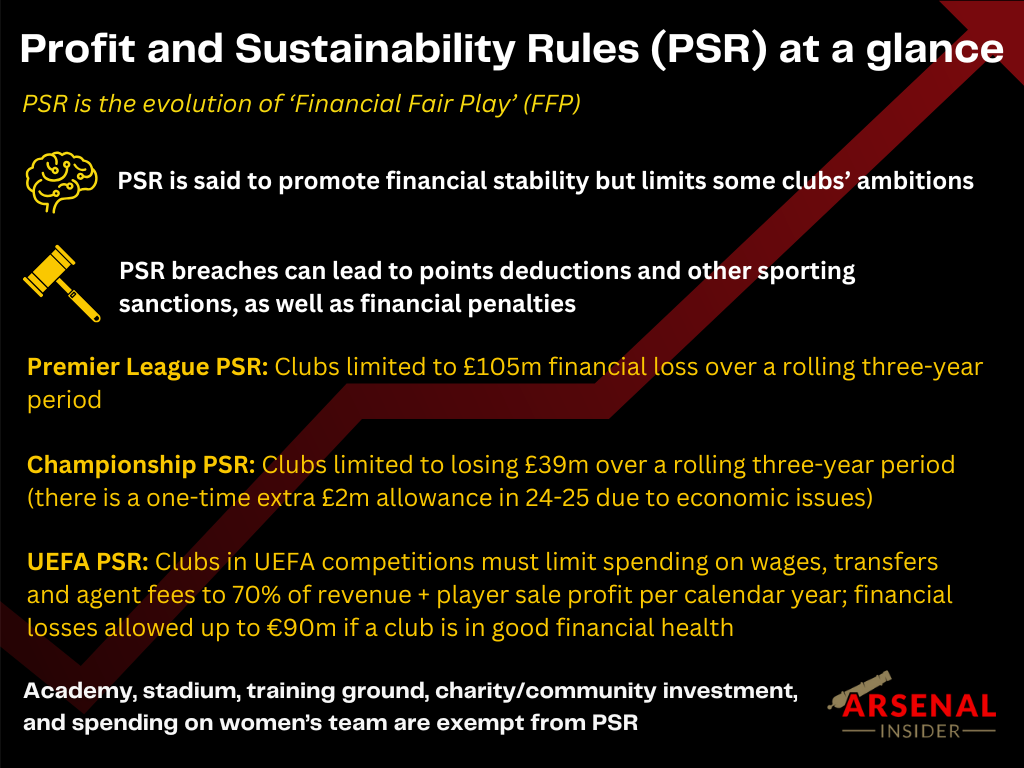
That is despite what the club appears to have been briefing to journalists – an increasingly common tactic among Premier League clubs keen to exploit supporters’ unfamiliarity with spending rules.
The real reasons are not as convenient for the owners.
- READ MORE: ‘It’s great’ – Mikel Arteta reveals Bukayo Saka return to Arsenal training ground after injury blow
The real reason Arsenal aren’t signing Alexander Isak
Significantly, Arsenal haven’t ruled out a move for Isak altogether and, AI understands, are more likely to spend big in the summer.
They have also distanced themselves from stories claiming that they ‘cannot afford’ the Swede, with AI also told that he banks less than Newcastle’ biggest earners despite reports suggesting otherwise.
But a January switch to the Emirates Stadium for the 25-year-old is vanishingly unlikely because of orders direct from Stan Kroenke.
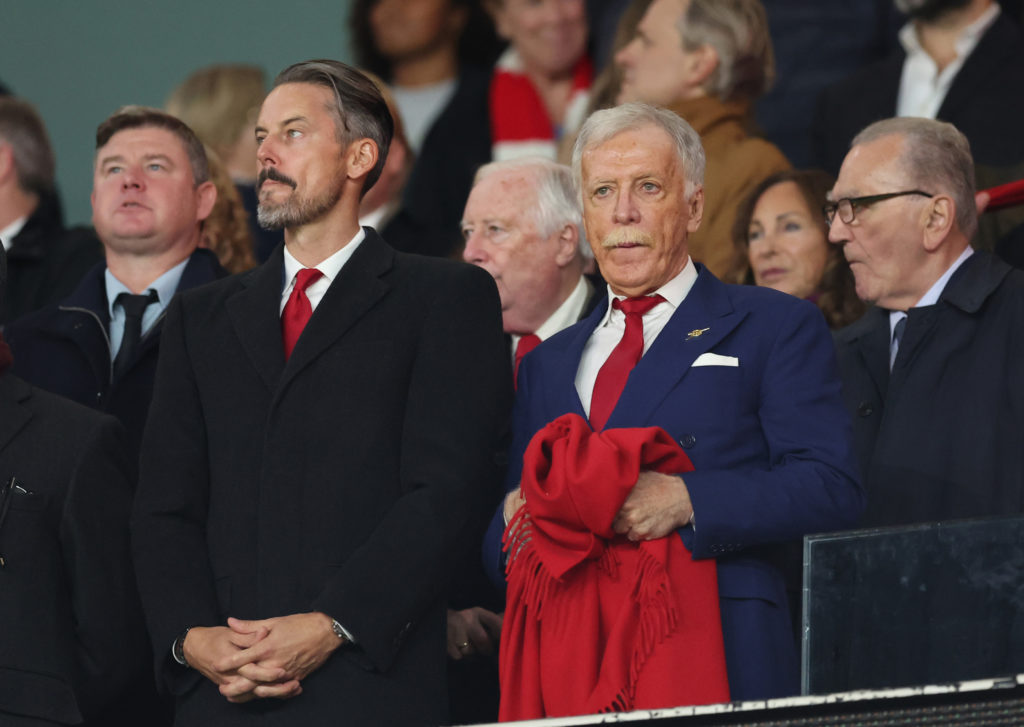
Why? Well, a relatively inconspicuous announcement involving an under-the-radar signing from Liverpool shines some light on the situation.
Andrew Sheridan, formerly Vice President of Commercial Growth and Development at Anfield, has been named as Arsenal’s new Head of Partnerships Strategy and Commercial Ventures.
It isn’t the most senior position in the Gunners’ commercial department – that belongs to CCO Juliet Slot – but it is a sign that the club are beefing up in an office that is flagging behind its counterparts elsewhere.
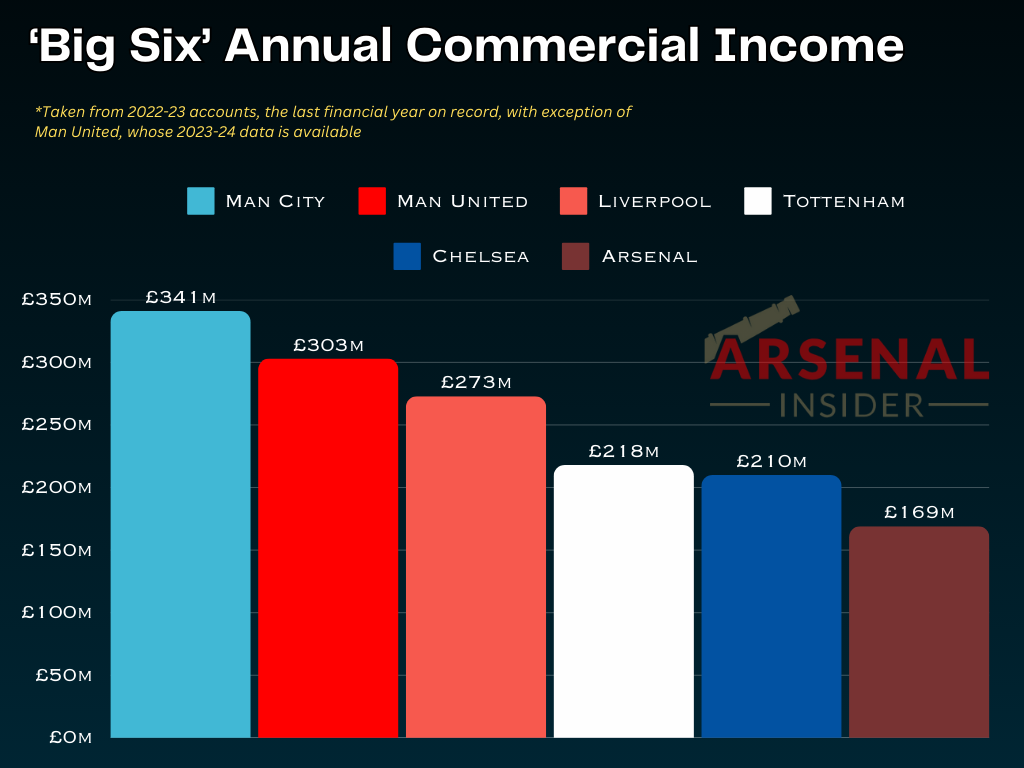
At £169m in the last recorded financial year, Arsenal earned approximately half what Manchester City did through sponsorship contracts, merchandise sales and other commercial avenues.
For a club whose owners want them to be self-sufficient, with every pound spent on new signings accounted for elsewhere in the business, that is a huge problem.
Granted, commercial income will have risen by the time the club releases its accounts for the last financial year, which saw them return to the Champions League for the first time in seven seasons.
But the gap between themselves and the rest of their elite peer group will not be eliminated.
In fact, even if Arsenal get everything right from now on, it will take several years to eat up that ground, such is the ultra-competitive nature of the Premier League’s sponsorship market.
Arsenal earned over £100m in annual matchday income at the last count, bettered only by Manchester United and Spurs. In terms of media revenue, they will also be in the top three for the last financial year.
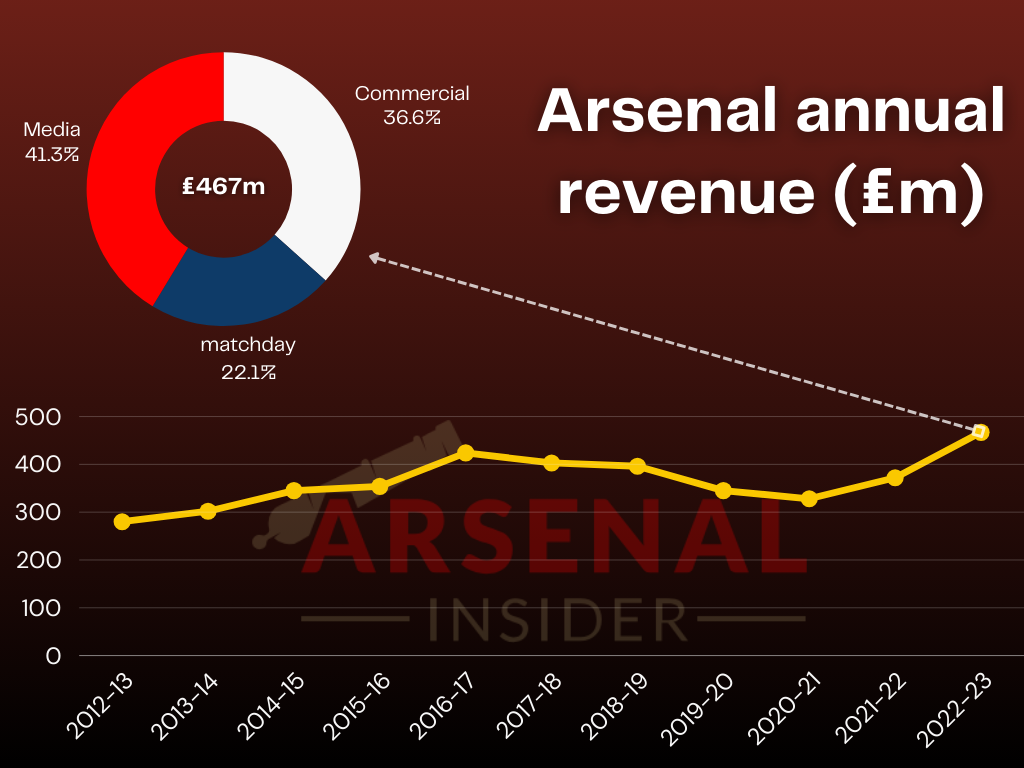
And yet, their annual revenue, at £467m, is comfortably the smallest out of the two Manchester clubs, Liverpool, Spurs and Chelsea.
The discrepancy between their revenue and the rest of the so-called Big Six therefore can only come from the commercial department.
Yes, they have been hamstrung to an extent by uninspiring results on the pitch in recent seasons until 2022-23, which has had a dragging effect on consumer appetite and leverage with would-be sponsors.
But other clubs have demonstrated far more resilience.
- READ MORE: FA make decision on controversial Man United social media post after referee calls in Arsenal clash
Stan Kroenke’s long-term plan to sell Arsenal and its impact on the transfer budget
So, revenue is low in relative terms and the Kroenkes are unwilling to break the bank to sign top talent if it means putting their hand in their own pocket. But why?
Ultimately, it comes down to KSE’s long-term plans to sell Arsenal, an asset from which he is yet to earn a penny.
Kroenke’s approach instead is one of capital appreciation. He has spent around £1bn to acquire 100 per cent of the club. Eventually, he wants to sell it on for a massive return.
To do that, he needs to demonstrate the viability of Arsenal as a business prospect.
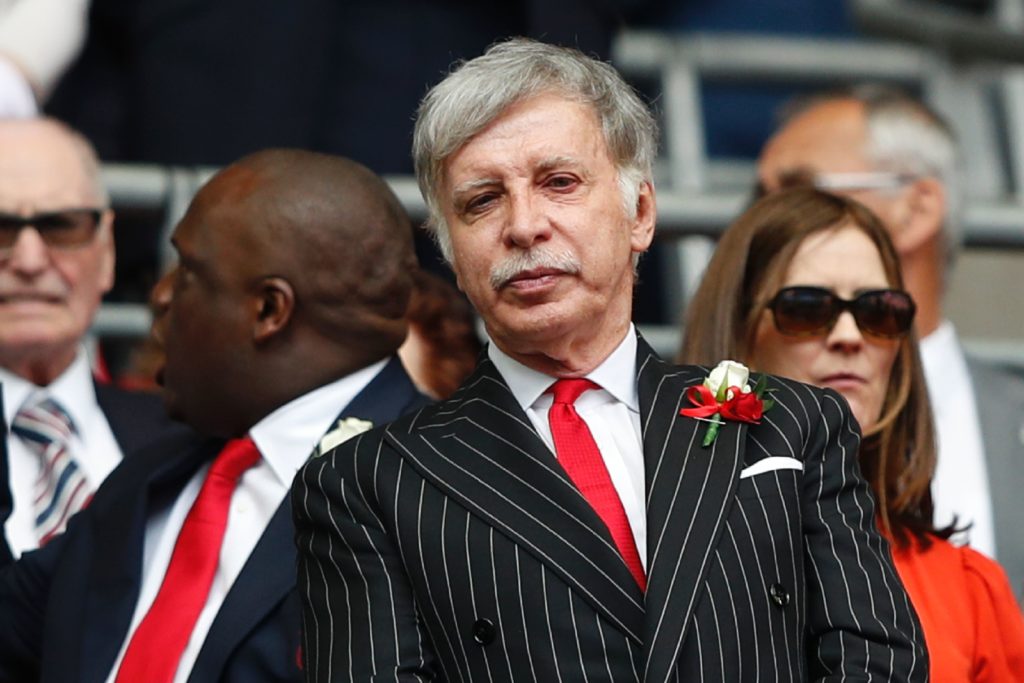
Taking on more debt to fund blockbuster signings like Isak is, in his view, not the way forward, especially with interest rates high and other macroeconomic conditions unfavourable.
So while Kroenke personally could ‘afford’ Isak’s transfer fee in a heartbeat this January, it doesn’t fit the business model or the budgets that have been set at KSE’s Denver headquarters.
Receive a digest of our best Arsenal content each week direct to your mailbox